


What Is Ceramic Coating?
Ceramic coating is a liquid polymer applied to a car’s exterior paint to create a durable protective layer over the clear coat. Most automotive ceramic coatings use silica-based technology that bonds with the paint surface after curing. The result is a glossy, hydrophobic coating that helps protect vehicle paint from UV exposure, dirt, grime, bird droppings, chemical stains, and weather-related contaminants. It is stronger and longer-lasting than wax, but it is not scratch-proof, rock-chip-proof, or maintenance-free.
| Question | Direct Answer |
| What is ceramic coating? | A cured liquid polymer layer that protects car paint. |
| What does it do? | Adds gloss, water repellency, and resistance to UV rays, dirt, and stains. |
| Is ceramic coating permanent? | No. It is long-lasting, but not permanent. |
| How long does ceramic coating last? | Often 1 to 5 years, depending on product quality, prep, and maintenance. |
| Does it stop scratches? | No. It may reduce minor wash marring, but it will not stop deep scratches or rock chips. |
| Is ceramic coating worth it? | Yes, for owners who want easier cleaning, better gloss, and longer paint protection. |
| Is ceramic coating safe? | Yes for vehicle paint when applied correctly, but installation chemicals require proper handling. |
How Ceramic Coating Works
Ceramic coating works by bonding to the vehicle’s clear coat after proper surface preparation. Once cured, it forms a thin but durable layer that sits on top of the paint. This layer improves surface slickness and creates a hydrophobic effect, which means water beads up and rolls away more easily.
The coating does not replace your car’s clear coat. Instead, it helps protect the clear coat from everyday contaminants. This makes cleaning easier because dirt, road film, and water-based grime have a harder time sticking to the surface.
A quality ceramic coating usually requires:
- Thorough exterior wash
- Paint decontamination
- Clay bar treatment if needed
- Paint correction or polishing
- Panel wipes to remove oils.
- Careful ceramic coating application
- Proper curing time
- Maintenance washing after installation
Preparation matters because ceramic coating can lock in visible paint defects. If the paint has swirl marks, oxidation, or scratches before application, the coating may make those imperfections more noticeable.
Key Benefits of Ceramic Coating for Cars
1. Long-Lasting Paint Protection
Ceramic coating offers stronger durability than traditional wax. Wax may need frequent reapplication, while a professional-grade ceramic coating can last for years with proper care. This makes it attractive for car owners who want long-term paint protection. If you want to explore broader strategies beyond coating alone, read our guide on how to protect your car paint.
2. Hydrophobic Coating Effect
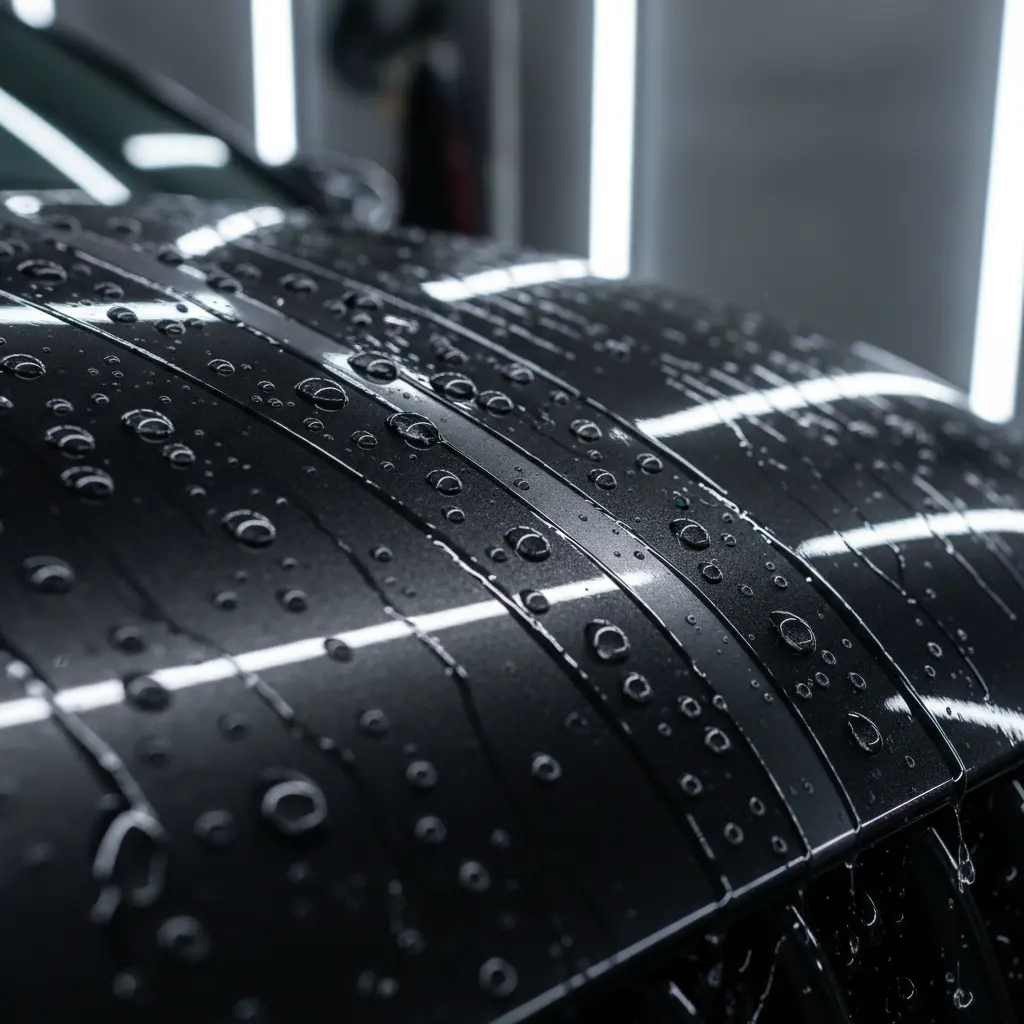
One of the biggest benefits of ceramic coating is water repellency. Water beads on the surface and slides away more easily, taking some dirt and grime with it. This does not mean your car becomes self-cleaning, but it does make washing faster and easier.
3. Better Gloss and Shine
Ceramic coating enhances the depth and gloss of vehicle paint. This is especially noticeable on dark-colored cars, luxury vehicles, and cars that have been polished before coating.
4. UV and Oxidation Resistance
Sun exposure can fade and dull automotive paint over time. Ceramic protection helps reduce UV-related oxidation, which is especially useful for vehicles parked outdoors.
5. Resistance to Chemical Stains
Bird droppings, bug splatter, tree sap, road salt, and acidic contaminants can damage paint if left untreated. Ceramic coating adds a protective barrier that gives you more time to clean these contaminants before they bond strongly to the paint.
6. Easier Maintenance
A ceramic-coated car still needs regular washing, but the process becomes simpler. Dirt releases more easily, and the surface usually dries with less effort when you use the right microfiber towels and wash products.
What Ceramic Coating Does Not Do
Ceramic coating is powerful, but it is often oversold. Here are the most important limitations.
It Does Not Make Your Car Scratch-Proof
Ceramic coating will not stop deep scratches, parking lot damage, key marks, or rock chips. For impact protection, paint protection film is a better option.
It Does Not Eliminate Water Spots
Water can still leave mineral deposits after evaporation. Ceramic coating helps water bead, but it does not guarantee a water-spot-free surface.
It Does Not Replace Regular Washing
Your car still needs routine maintenance. Ceramic coating makes cleaning easier, but it does not make the vehicle self-cleaning.
It Does Not Fix Bad Paint
If your paint is faded, scratched, or full of swirl marks, the surface should be corrected before coating. Ceramic coating protects the condition of the paint; it does not magically restore damaged paint.
| Option | Best For | Durability | Main Benefit | Limitation |
| Wax | Budget shine | Short-term | Warm gloss, easy application | Wears off quickly |
| Paint Sealant | Affordable protection | Several months | Better durability than wax | Less depth than premium wax or coating |
| Ceramic Coating | Long-term gloss and easier cleaning | 1–5 years | Hydrophobic protection and durability | Higher cost and prep needed |
| Paint Protection Film | Rock chip and impact protection | Several years | Physical barrier against chips | More expensive and visible if poorly installed |
Ceramic coating is best understood as a more durable alternative to wax or sealant, not a replacement for paint protection film. Vive’s competitor content also makes this distinction by noting that ceramic coating does not provide the same rock-chip protection as PPF.
Types of Ceramic Coating
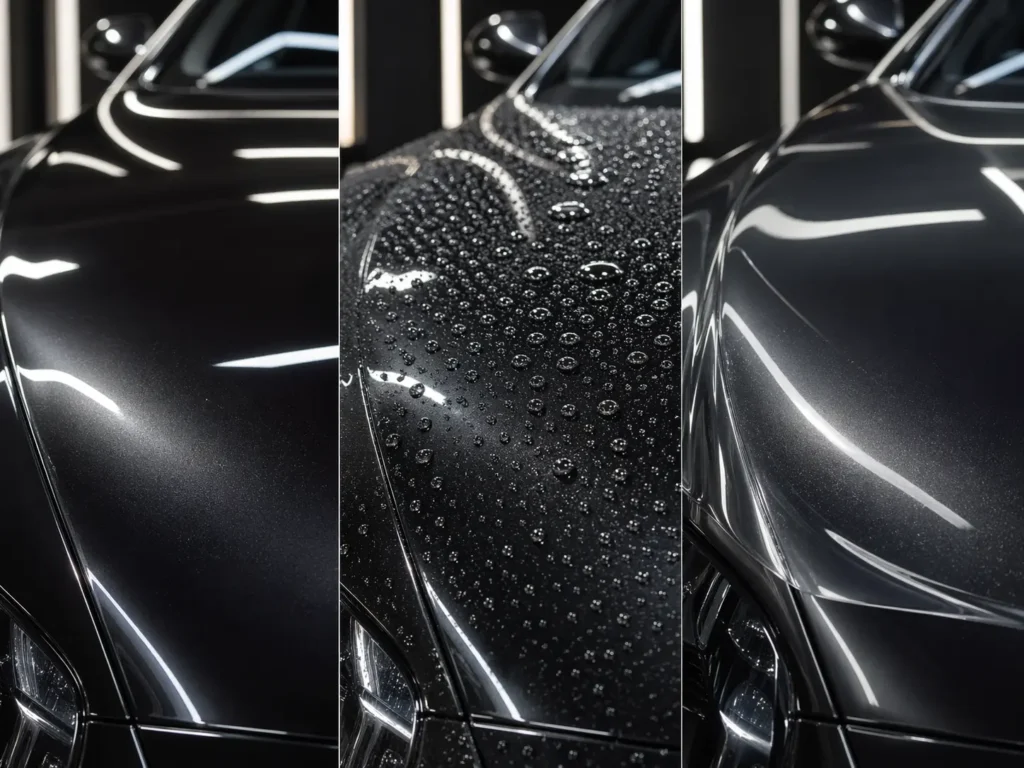
Professional Ceramic Coating
This is applied by trained detailers after paint correction. It usually offers the best finish, durability, and warranty support.
DIY Ceramic Coating
DIY kits are available, but they require patience, preparation, and correct levelling. Poor application can leave streaks, high spots, or uneven gloss.
Ceramic Spray Coating
Ceramic spray coating is easier to apply and works well as a maintenance topper. However, it usually does not last as long as professional ceramic coating.
Graphene Ceramic Coating
Graphene ceramic coating is marketed as an advanced alternative to traditional ceramic coatings. Some brands claim better slickness, water behaviour, and reduced water spotting. However, performance depends more on product quality, prep, and maintenance than on the word “graphene” alone.
How Long Does Ceramic Coating Last?
Ceramic coating can last 1 to 5 years, depending on the coating type, installer skill, surface preparation, weather exposure, wash habits, and maintenance routine.
A garage-kept weekend car may hold a coating longer than a daily driver exposed to sun, road salt, rain, and automatic brush washes. To extend durability, wash the car regularly, use pH-neutral shampoo, avoid harsh chemicals, and remove bird droppings or tree sap quickly. You can read detail guide about how long ceramic coating lasts on a car.
Ceramic Coating Price: What Affects the Cost?
Ceramic coating cost varies because the service is not just about the coating bottle. The final ceramic coating price often depends on:
- Vehicle size
- Paint condition
- Level of paint correction needed
- Type and brand of coating
- Number of coating layers
- Warranty length
- Detailer experience
- Local labour rates
- Whether wheels, glass, trim, or interior surfaces are included
DIY ceramic coating kits can be inexpensive, but professional ceramic coating may cost significantly more because the process often includes washing, decontamination, polishing, application, and curing.
Is Ceramic Coating Worth It?
Ceramic coating is worth it if you want long-term paint protection, easier washing, strong gloss, and better resistance against environmental contaminants. It is especially valuable for new cars, dark paint, luxury vehicles, outdoor parking, and owners who care about appearance.
It may not be worth it if you rarely wash your car, expect full scratch protection, have badly damaged paint, or want the cheapest possible paint care option. In those cases, wax, sealant, or paint correction may be a better starting point.
Simple decision rule: ceramic coating is worth it when you understand both its benefits and its limits.
Is Ceramic Coating Safe?
Automotive ceramic coating is safe for vehicle paint when the correct product is applied properly to a suitable surface. The main risks come from poor preparation, incorrect application, uneven curing, or unrealistic expectations.
During application, ceramic coating products may contain solvents or chemicals that require gloves, ventilation, and safe handling. For best results, follow the product instructions or choose a trained professional.
Important: Ceramic Car Coating vs Ceramic Cookware
Search terms like “is ceramic non-stick coating safe” and “is ceramic-coated cookware safe” refer to cookware, not automotive ceramic coating. These are different products with different materials, uses, and safety standards. For ceramic foodware, the FDA notes that some ceramic items can leach lead from food-contact surfaces, so cookware safety should be evaluated through food-safety guidance, manufacturer testing, and proper use.
How to Apply Ceramic Coating
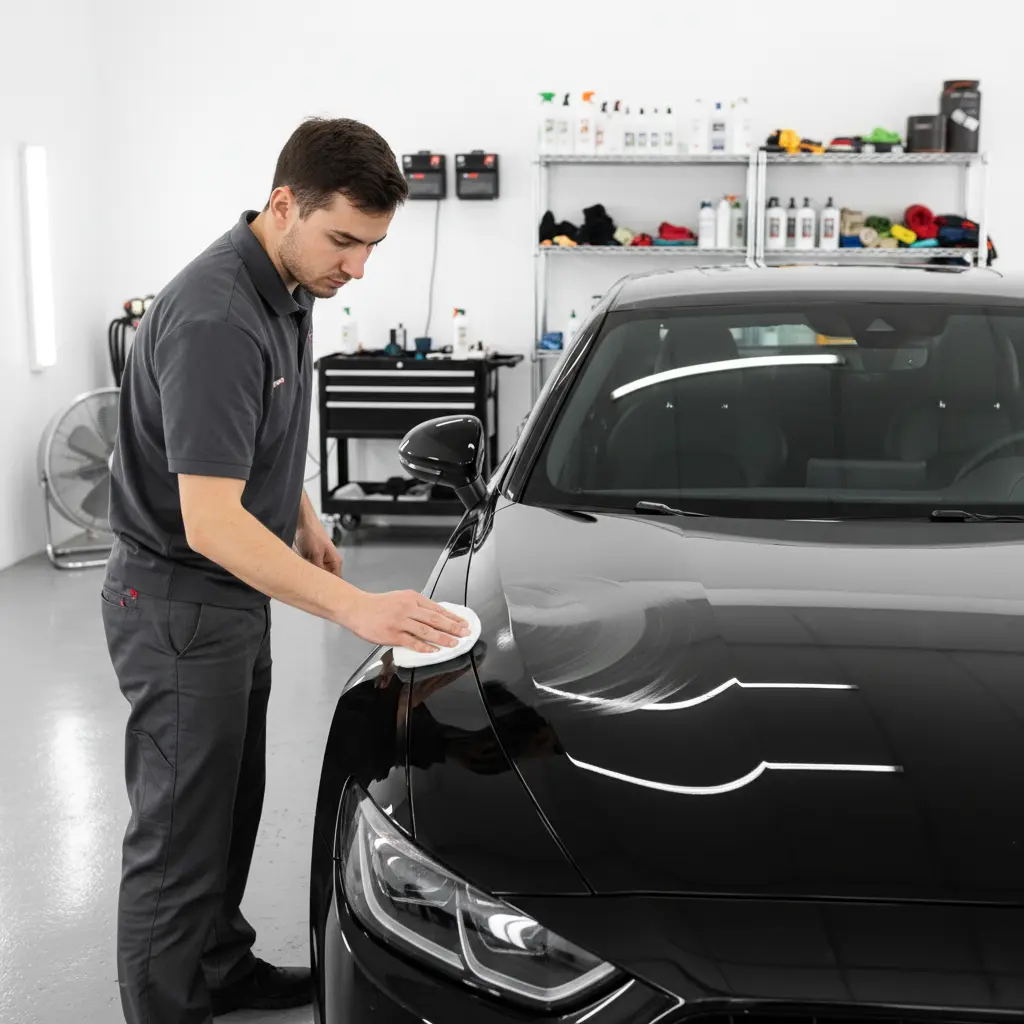
Here is a simplified overview of the ceramic coating application process:
- Wash the car thoroughly.
- Remove tar, iron particles, and bonded contaminants.
- Use a clay bar if the paint feels rough.
- Polish or correct paint defects.
- Wipe the surface with a panel prep solution.
- Apply ceramic coating in small sections.
- Allow the coating to flash according to instructions.
- Level and buff the coating with microfiber towels.
- Let the coating cure.
- Avoid washing the car during the early curing period.
For valuable vehicles, professional application is usually the safer choice because mistakes can require polishing or wet sanding to correct.
Ceramic Coating Maintenance Tips
To keep ceramic protection performing well:
- Wait through the recommended curing period before washing.
- Use a pH-neutral car shampoo.
- Avoid automatic brush car washes.
- Use soft microfiber wash mitts and drying towels.
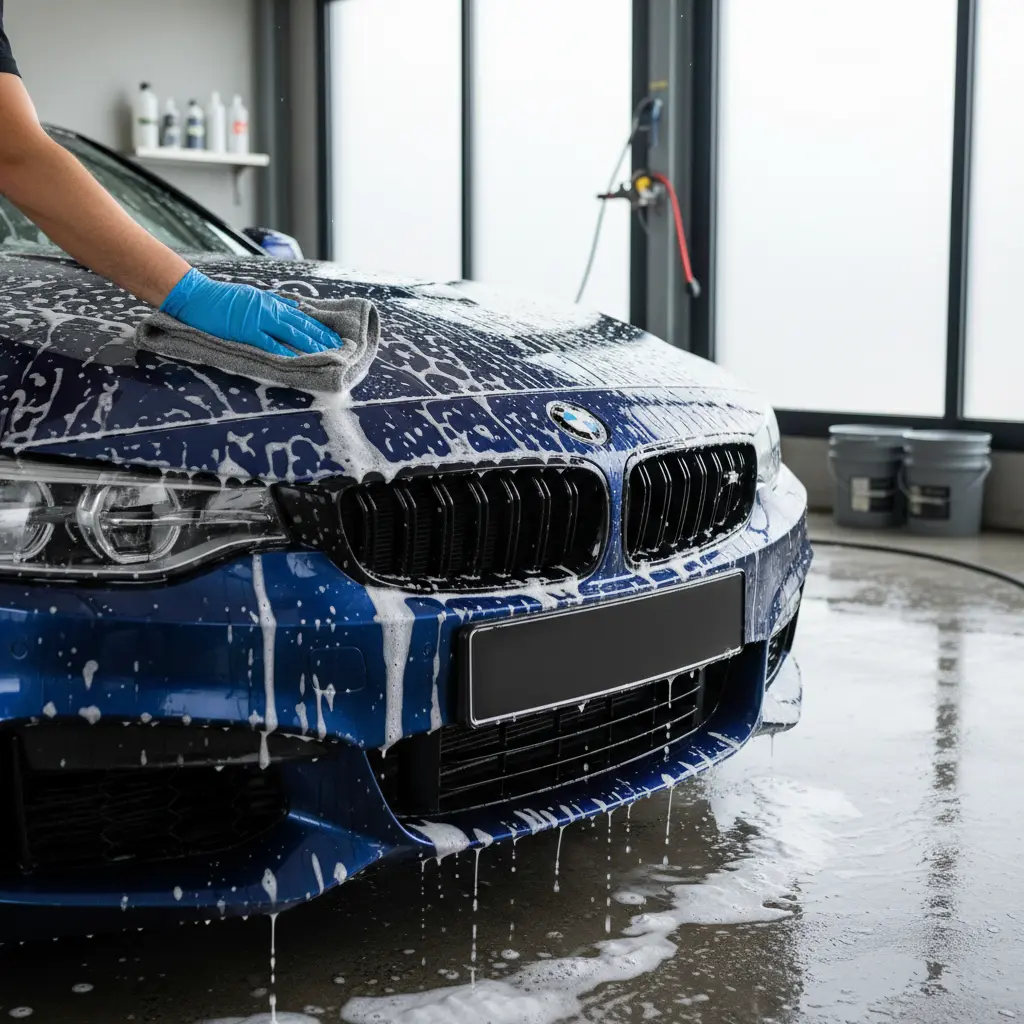
- Wash regularly instead of letting grime build up.
- Remove bird droppings, bug splatter, and tree sap quickly.
- Use a ceramic-safe maintenance spray when recommended.
- Schedule periodic inspections if your coating includes a warranty.
Proper maintenance is what separates a coating that looks good for years from one that loses performance early.
How to Choose the Best Ceramic Coating Service Near You
When searching for ceramic coating near me, do not choose based on price alone. Ask these questions first:
- Does the quote include paint correction?
- Which coating brand will be used?
- How long should the coating last?
- Is there a written warranty?
- What maintenance is required?
- Will the car be inspected before quoting?
- Are wheels, glass, or trim included?
- Do they have real before-and-after examples?
- Do reviews mention long-term results, not just same-day shine?
The best ceramic coating provider should explain the process clearly and set realistic expectations.
Common Misconceptions About Ceramic Coating
“Ceramic coating is permanent.”
No. It is long-lasting, but it wears down over time.
“Ceramic coating stops all scratches.”
No. It can help reduce some light wash-related marring, but it does not stop deep scratches or chips.
“A coated car never needs washing.”
No. It still needs regular cleaning.
“New cars do not need paint correction.”
Not always true. New vehicles can still have swirl marks, water spots, or dealership wash damage.
“The best ceramic coating is always the most expensive one.”
Not necessarily. Prep quality, installer skill, and maintenance matter as much as the coating brand.
FAQs About Ceramic Coating
What is ceramic coating on a car?
Ceramic coating on a car is a liquid polymer applied to the exterior paint. Once cured, it creates a protective layer that improves gloss, water repellency, and resistance to environmental contaminants.
Is ceramic coating good for cars?
Yes. Ceramic coating is good for cars when the paint is properly prepared, and the owner follows a maintenance routine.
How long does ceramic coating last?
Most ceramic coatings last between 1 and 5 years, depending on coating quality, vehicle use, climate, and maintenance.
Does ceramic coating prevent scratches?
No. Ceramic coating does not prevent deep scratches, rock chips, or dents. Paint protection film is better for impact resistance.
What is the average ceramic coating cost?
Ceramic coating cost depends on vehicle size, paint condition, paint correction, coating type, and installer experience. A professional application can cost much more than a DIY one because the labour and preparation are extensive.
Is ceramic spray coating the same as professional ceramic coating?
No. Ceramic spray coating is easier to apply and useful for maintenance, but it usually does not provide the same durability as a professionally installed coating.
Is graphene ceramic coating better?
Graphene ceramic coating may offer strong performance, but results depend on product quality, installation, and maintenance. Do not choose it based only on marketing claims.
Can I apply ceramic coating myself?
Yes, but DIY ceramic coating requires careful prep, controlled application, and proper curing. Beginners should practice on a small area or choose a professional service for valuable vehicles.
Is ceramic coating safe for car paint?
Yes, when applied correctly. Poor application can cause streaks or high spots, but a compatible coating installed by a skilled detailer is generally safe for automotive paint.
Is ceramic-coated cookware safe?
Ceramic-coated cookware is a separate topic from car ceramic coating. Cookware safety depends on the product, food-contact testing, coating condition, and proper use. Automotive ceramic coating should never be used on cookware.
Conclusion
So, what is ceramic coating? It is a durable liquid polymer coating that protects car paint, improves gloss, and makes cleaning easier by creating a hydrophobic surface. It is one of the most effective paint protection options for drivers who want longer-lasting results than wax or sealants. However, it is not magic. It will not stop rock chips, remove scratches, or eliminate washing.
For the best results, choose a quality coating, prepare the paint properly, follow maintenance instructions, and work with a trusted detailer if you want a professional finish.