


Does tinted windows keep car cooler? Yes, tinted windows can help keep a car cooler by reducing solar heat gain, blocking some infrared heat, lowering glare, and slowing how quickly the cabin heats up. The result depends on the tint film type, quality, shade, glass coverage, vehicle colour, parking conditions, and installation quality. Ceramic and carbon films usually perform better for heat reduction than basic dyed tint.
Tint does not turn a parked vehicle into a safe space for children, pets, or heat-sensitive items. It helps improve comfort, but it cannot eliminate heat completely.
Quick Answer: Do Tinted Windows Keep a Car Cooler?
Yes. Quality car window tint can keep a vehicle cooler by reducing the amount of solar energy that enters through the glass. It works best when the film is designed for heat rejection, not just darker appearance.
In simple terms:
| Factor | Impact on Cabin Temperature |
|---|---|
| Ceramic tint | Strong heat rejection, often works well even in lighter shades |
| Carbon tint | Good heat control and stable appearance |
| Dyed tint | Helps with glare and privacy but usually blocks less heat |
| Darker tint | Not always cooler if the film quality is poor |
| Windshield heat | Still a major heat source if only side/rear windows are tinted |
| Professional installation | Helps the film perform as intended |
How Window Tint Helps Keep a Car Cooler
Car interiors get hot because sunlight passes through untreated glass and heats the dashboard, seats, steering wheel, carpets, and trim. Once these surfaces heat up, they radiate warmth into the cabin. That is why a car can feel uncomfortable even after sitting for a short time in direct sunlight.
Car window tint helps in three main ways:
- It reduces visible glare.
- It blocks or absorbs some solar energy before it enters the cabin.
- It reduces infrared heat transfer, depending on the film type.
High-quality film does not just make glass darker. It manages solar energy more effectively.
What Actually Causes Heat Inside a Car?
Sunlight includes different types of energy:
Visible Light
This is the light you can see. It creates brightness and glare. Darker tint usually reduces visible light, but visible light is not the only source of heat.
Infrared Radiation
Infrared radiation is a major source of the heat you feel. Quality heat-rejecting tint focuses heavily on reducing infrared heat.
Ultraviolet Rays
UV rays do not create the same “hot” feeling as infrared radiation, but they can contribute to interior fading and material damage over time.
A good window film balances visibility, heat rejection, UV protection, and legal compliance.
Does Darker Tint Always Keep a Car Cooler?
No. Darker tint does not always mean better heat rejection.
This is one of the biggest misconceptions about car window tint. A cheap dark dyed film may reduce brightness but still allow a lot of infrared heat to pass through. A lighter ceramic film may look more subtle but reject more heat because of its advanced film technology.
So if your main goal is cooling, ask about heat rejection, infrared rejection, and total solar energy rejected, not only darkness.
Types of Window Tint for Heat Reduction
Dyed Window Tint
Dyed tint is usually the most affordable option. It darkens the glass and reduces glare, but it usually offers lower heat rejection than premium films. It may also fade faster over time.
Best for: basic privacy and appearance.
Main limitation: weaker heat control compared with ceramic or carbon tint.
Carbon Window Tint
Carbon tint offers better heat control than basic dyed tint. It also has a clean appearance and does not usually fade as quickly as dyed film.
Best for: drivers who want a balance of cost, appearance, and comfort.
Main limitation: may not match the highest heat rejection of ceramic film.
Metallic Window Tint
Metallic tint can reflect heat effectively, but some drivers avoid it because it may interfere with signals such as GPS, mobile reception, radio, or electronic systems.
Best for: heat reflection in some applications.
Main limitation: possible signal interference.
Ceramic Window Tint
Ceramic tint is often the best choice for drivers who want strong heat rejection without choosing an extremely dark shade. It uses ceramic particles to manage infrared heat while keeping good visibility.
Best for: heat reduction, comfort, UV protection, and modern vehicles.
Main limitation: higher upfront cost.
How Much Cooler Can Tint Make a Car?
The exact difference depends on the film, vehicle, sunlight, weather, and parking conditions. Some drivers notice a major comfort improvement, especially when entering the vehicle after it has been parked in the sun. Others notice that the cabin cools down faster once the air conditioning starts.
Tint may help:
- Reduce heat buildup.
- Lower surface temperatures on seats and dashboards.
- Make the steering wheel easier to touch.
- Reduce AC strain.
- Improve comfort during summer driving.
- Reduce glare from direct sun and reflective surfaces.
However, tint will not stop all heat. The windshield, roof, body panels, and outside air temperature still affect cabin comfort.
Why Your Car May Still Feel Hot After Window Tint
Even with quality tint, some heat still enters the vehicle. This does not always mean the tint is poor.
Common reasons include:
- The windshield remains mostly untinted for safety and legal reasons.
- The car is parked in direct sunlight for a long time.
- The dashboard and seats absorb heat.
- The outside temperature is very high.
- The vehicle has a dark exterior or dark interior.
- Only some windows were tinted.
- The film is basic dyed tint, not heat-rejecting film.
- The tint was installed poorly.
- The tint is still curing.
Tint reduces heat load, but it does not create air conditioning by itself.
Does Tint Help During Canadian Summers?
Yes, tint can help during Canadian summers, especially in cities where vehicles sit in traffic, parking lots, or direct sun. Ontario, Quebec, Alberta, and British Columbia may not all have the same climate, but summer heat, glare, and cabin discomfort are still common.
Tint can be useful for:
- Hot commuter vehicles.
- Family SUVs.
- Work vehicles.
- Ride-share vehicles.
- Cars parked outside.
- Vehicles with leather or dark interiors.
- Drivers sensitive to glare.
In humid summer weather, tint can make the cabin feel more comfortable because less solar heat enters through the glass.
Does Tint Help in Winter?
Window tint is mostly known for summer comfort, but it can still help in winter.
During Canadian winters, drivers often deal with low-angle sunlight, snow glare, and bright reflections. Tint can reduce glare and improve visual comfort. It may also help protect interior materials from UV exposure year-round.
However, tint should not be chosen so dark that it affects night driving or winter visibility. Safe visibility matters more than appearance.
Is Ceramic Tint Worth It for Keeping a Car Cooler?
Ceramic tint is often worth considering if your main goal is heat reduction. It can reject more infrared heat than basic dyed tint while still allowing good visibility.
Ceramic tint may be a good choice if:
- You park outside often.
- You drive long distances.
- You want heat reduction without very dark windows.
- You have children or passengers in the rear seats.
- Your vehicle has leather seats.
- You want stronger UV protection.
- You want a longer-lasting film.
The main downside is cost. Ceramic film usually costs more than basic tint, but many drivers choose it for comfort and durability.
Can Tinted Windows Reduce AC Use?
Tint can reduce how hard your air conditioning has to work because the cabin may start cooler and heat may build more slowly. This can make the vehicle more comfortable sooner after startup.
However, fuel or battery savings depend on many factors, including vehicle type, AC use, outside temperature, driving habits, and tint quality. It is better to view tint as a comfort and protection upgrade rather than a guaranteed fuel-saving product.
Car Window Tint and UV Protection
Quality window film can reduce UV exposure through vehicle glass. This matters because UV rays can contribute to fading, cracking, and long-term material wear inside the vehicle.
UV protection can help protect:
- Dashboards
- Leather seats
- Fabric seats
- Steering wheels
- Door panels
- Trim
- Electronics
- Interior plastics
Always check the film specifications before buying. Do not assume every tint offers the same UV protection.
Canadian Tint Laws: What Drivers Should Know
Canadian tint rules vary by province. This matters because legal limits may differ for front side windows, windshields, rear windows, and factory privacy glass.
Before installing tint, check:
- Your province’s tint rules.
- Whether front side windows can be tinted.
- Windshield strip rules.
- VLT requirements.
- Whether dual side mirrors are required for darker rear tint.
- Whether the tint affects inspection or insurance concerns.
A tint that looks good may not be legal everywhere. If you travel between provinces, choose a shade that keeps visibility safe and avoids unnecessary issues.
Does Tint Work Better When Installed Professionally?
Yes. Even high-quality film can perform poorly if it is installed incorrectly.
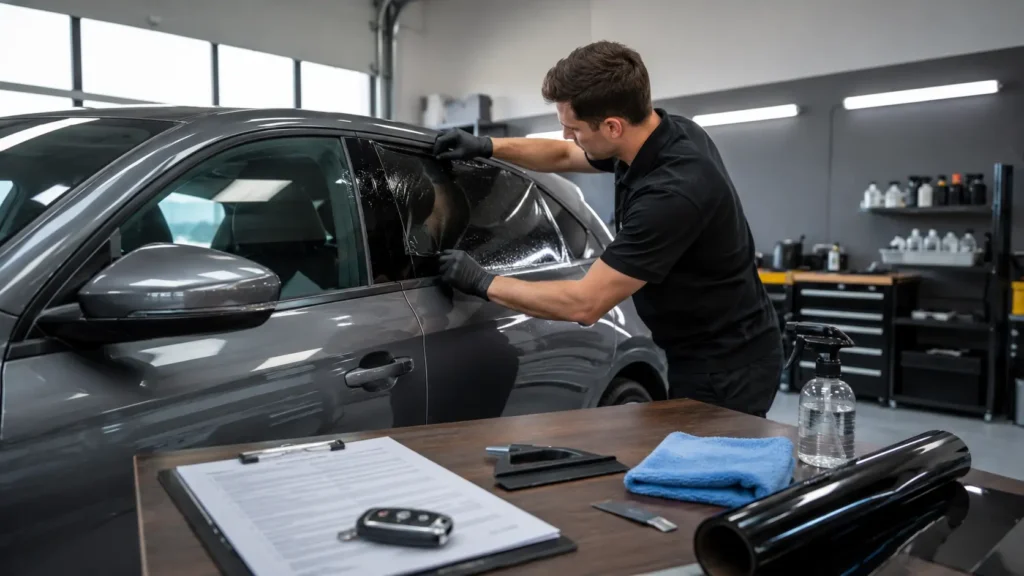
Professional installation matters because the installer needs to:
- Clean the glass properly.
- Cut the film accurately.
- Avoid dust and contamination.
- Heat-shrink curved glass correctly.
- Prevent bubbles and peeling.
- Protect defroster lines.
- Follow legal tint limits.
- Give proper aftercare instructions.
For a deeper look at the process, read that how to install car window tint.
Should You Tint a Leased Car for Heat Reduction?
Tinting a leased car may be allowed, but you need to check your lease agreement first. Some lease agreements limit aftermarket changes or require the vehicle to be returned in original condition.
If the car is leased, consider:
- Written approval from the dealership or leasing company.
- Legal tint shade.
- Professional installation.
- Film that can be removed cleanly.
- Lease-return inspection standards.
- Possible removal costs before return.
For more details, read that are you allowed to tint windows on a leased car?
Where Should You Get Your Car Windows Tinted?
Choose an installer who explains film quality, heat rejection, legal limits, warranty, curing time, and aftercare. Avoid choosing only by price. Cheap tint may look fine at first but can fade, bubble, peel, or fail to reduce heat well.
A good installer should explain:
- Film type
- VLT percentage
- Heat rejection
- UV protection
- Warranty
- Installation time
- Curing time
- Legal limits
- Maintenance instructions
For help choosing an installer read that where to get my car windows tinted.
How Long Does It Take Before Tint Helps?
Tint starts helping as soon as it is installed, but the film still needs curing time. During curing, moisture may evaporate from between the film and glass. You may notice haze or small water pockets during this stage.
The tint can still reduce sunlight and glare right away, but you should follow aftercare instructions until the film fully cures.
For a full timing breakdown, read that how long Does it take to tint car windows.
Can I Wash My Car After Window Tint?
Yes, you can usually wash the outside of your car after window tint because the film is applied to the inside of the glass. Exterior washing is different from cleaning the interior tinted surface.
However, avoid cleaning the inside tinted glass too soon after installation. Fresh tint needs time to cure. Always follow your installer’s aftercare guidance.
How to Clean Tinted Windows Inside Car
To clean tinted windows inside car safely, use a soft microfibre cloth and an ammonia-free cleaner. Spray the cleaner onto the cloth instead of directly onto the glass, then wipe gently and dry with a clean towel.
Avoid:
- Ammonia cleaners
- Rough towels
- Paper towels
- Scrapers
- Harsh chemicals
- Strong alcohol-based cleaners
- Abrasive pads
For a full maintenance guide read that how to clean tinted car windows.
Pros and Cons of Tinted Windows for Cooling
Pros
Tint can improve comfort, reduce glare, slow heat buildup, protect interior surfaces, reduce UV exposure, and make the car feel more comfortable during summer driving.
Cons
Tint can cost more if you choose premium ceramic film. Very dark tint may affect night visibility and may not be legal on some windows. Poor installation can lead to bubbles, peeling, or reduced performance. Tint also cannot eliminate heat completely.
Common Misconceptions About Tinted Windows and Heat
“The darkest tint is always the coolest.”
False. Film technology matters more than darkness. A lighter ceramic film may reject more heat than a dark dyed film.
“Tint makes a parked car safe for kids or pets.”
False. Tint may reduce heat buildup, but a parked vehicle can still become dangerous. Never leave children or pets inside a parked car.
“All tint blocks heat the same way.”
False. Dyed, carbon, metallic, and ceramic films perform differently.
“Factory privacy glass blocks the same heat as ceramic tint.”
Not always. Factory privacy glass mainly darkens the glass. It may not offer the same heat rejection as premium aftermarket film.
“Tint only helps in summer.”
False. Tint can also reduce winter glare and help protect interiors from UV exposure year-round.
Practical Examples
Example 1: Commuter Car Parked Outside
A driver parks outside during work hours. Ceramic tint may help slow heat buildup and make the cabin easier to cool after work.
Example 2: Family SUV
A family SUV has large rear windows and rear passengers. Tint can reduce glare and improve comfort for children and passengers, especially on long drives.
Example 3: Dark Interior Sedan
A sedan with black leather seats gets very hot in the sun. Heat-rejecting tint can reduce direct solar heat through the windows and make surfaces less uncomfortable.
Example 4: Leased Vehicle
A driver wants tint for comfort but leases the car. The safest approach is to check the lease agreement, choose a legal shade, and keep records.
Example 5: Winter Driving
A driver deals with low winter sun and snow glare. Legal tint can help reduce glare without choosing an unsafe shade.
Buying and Service Considerations
Before choosing tint, ask:
- What type of film is best for heat rejection?
- Is ceramic tint worth it for my vehicle?
- What VLT is legal in my province?
- Will the tint affect night visibility?
- Does the film block infrared heat?
- Does it provide UV protection?
- Is the film safe for my vehicle’s electronics?
- How long does installation take?
- How long before I can clean the windows?
- What warranty comes with the film?
- Can the tint be removed later?
- What aftercare steps should I follow?
These questions help you choose tint based on performance, safety, and long-term value.
FAQs About Tinted Windows and Car Cooling
Does tinted windows keep car cooler?
Yes, tinted windows can keep a car cooler by reducing solar heat entering through the glass. The cooling effect depends on film quality, tint type, and installation.
Does car window tint block heat?
Yes, quality car window tint can block or reject part of the heat-causing solar energy, especially infrared radiation.
Is ceramic tint best for keeping a car cooler?
Ceramic tint is often one of the best options for heat reduction because it can reject infrared heat without needing to be extremely dark.
Does darker tint keep a car cooler?
Not always. Darker tint can reduce brightness, but heat rejection depends more on film technology than shade darkness.
Does tint help when the car is parked?
Yes, tint can slow heat buildup while parked, but the car can still become dangerously hot. Never leave children or pets inside a parked vehicle.
Does tint reduce dashboard and seat heat?
Yes, tint can reduce the amount of sunlight and heat reaching dashboards and seats, which may make surfaces more comfortable.
Can tinted windows reduce glare?
Yes, tint can reduce glare from sunlight, reflections, and low-angle sun. This can improve driving comfort.
Does window tint help in Canadian winter?
Yes, tint can help reduce snow glare and year-round UV exposure. However, very dark tint can reduce visibility, especially at night or in poor weather.
Can I wash my car after window tint?
You can usually wash the exterior after tinting because the film is applied inside. Wait before cleaning the inside glass until the film has cured.
How to clean tinted windows inside car?
Use an ammonia-free cleaner and a soft microfibre cloth. Spray the cloth, not the glass, and wipe gently to avoid damaging the film.
Does tint affect visibility at night?
It can if the tint is too dark. Choose a legal shade that keeps visibility safe during night driving and poor weather.
Is window tint legal in Canada?
Window tint can be legal, but rules vary by province. Check local regulations before choosing a shade, especially for windshields and front side windows.
Conclusion
Does tinted windows keep car cooler? Yes, tinted windows can help keep a car cooler, especially when you choose a quality heat-rejecting film such as ceramic or carbon tint. The biggest benefit comes from reducing solar heat gain, infrared heat, glare, and UV exposure.
Still, tint is not magic. It will not eliminate heat completely, and it will not make a parked car safe for children or pets. The best results come from choosing the right film, following Canadian tint laws, using professional installation, and caring for the tint properly after installation.