

Are you allowed to tint windows on a leased car? In many cases, yes, but only if the tint follows your lease agreement, complies with local window tint laws, does not damage the glass, and can be removed before the vehicle is returned if required. Because you do not fully own a leased vehicle, you should check the lease contract or ask the dealership before installing car window tint.
For Canadian drivers, the answer also depends on your province. Tint rules vary across Canada, especially for windshields and front side windows, so a tint that works in one province may not be suitable in another. Think Insure’s Canadian tint-law guide notes that window tinting rules vary by province and that illegal tint can create insurance or compliance concerns.
Quick Answer: Can You Tint a Leased Car?
Yes, you can usually tint a leased car if the modification is legal, reversible, professionally installed, and allowed by your lease agreement. The safest approach is to get written approval, choose a legal tint shade, keep all receipts, avoid cheap film, and plan for professional removal before lease return if the leasing company requires it.
| Question | Best Answer |
|---|
| Can you tint a leased car? | Usually yes, if your lease allows it. |
| Should you ask permission first? | Yes, written approval is best. |
| Does the tint need to be legal? | Yes, always follow provincial tint laws. |
| Can the leasing company charge you? | Yes, if tint is illegal, damaged, poorly installed, or must be removed. |
| Should you use DIY tint? | Usually not recommended for leased vehicles. |
| Should you remove tint before returning the lease? | It depends on the lease company and tint condition |
Why Leased Cars Are Different From Owned Cars
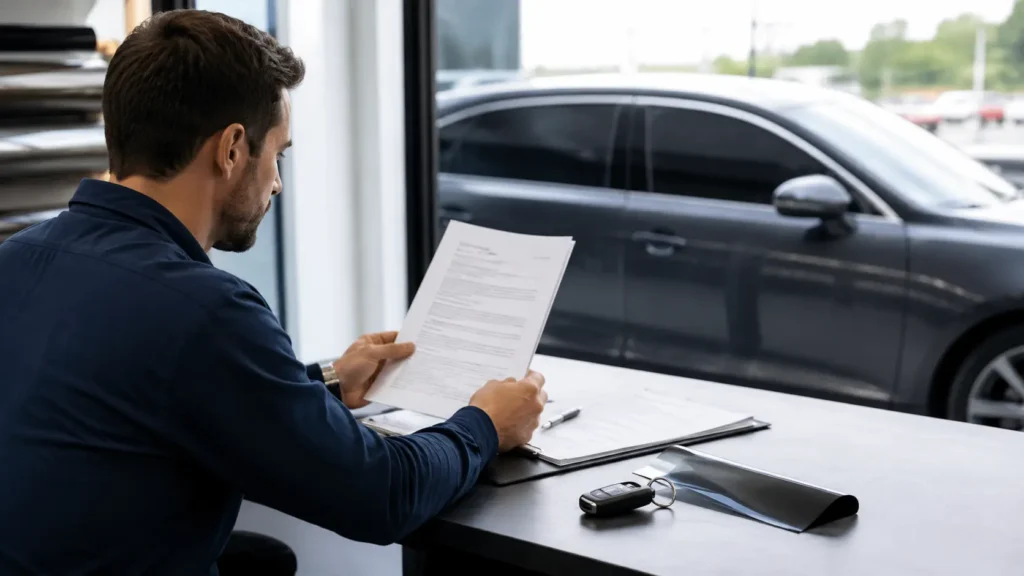
When you own a vehicle outright, you have more freedom to modify it. When you lease a vehicle, the leasing company or lender still has ownership interest in the car. That means your lease agreement may limit what you can change.
Window tint is usually considered a minor and reversible modification, but it can still create issues if it:
- Violates provincial window tint laws
- Damages glass, rubber seals, or defroster lines
- Leaves adhesive residue after removal
- Bubbles, peels, scratches, or discolours
- Makes the vehicle harder to inspect at lease return
- Conflicts with the lease agreement
- Reduces visibility or safety
Terminax’s leased-car tint guide highlights the same core conditions: tint should comply with local laws, avoid damage, and meet lease-return expectations.
Check Your Lease Agreement First
Before installing tint, read your lease agreement carefully. Look for terms related to:
- Vehicle modifications
- Aftermarket accessories
- Glass, windows, or film
- Return condition
- Excess wear and tear
- Required restoration
- Unauthorized alterations
- Dealer-installed accessories
Some lease agreements allow reversible changes as long as the vehicle is returned in good condition. Others may require approval before any modification. If the wording is unclear, contact the dealership or leasing company and ask for written confirmation.
Do not rely only on verbal approval. Written approval gives you a record if questions come up during lease return.
Are You Allowed to Tint Windows on a Leased Car in Canada?
In Canada, you need to consider two things at the same time: your lease policy and your provincial tint law.
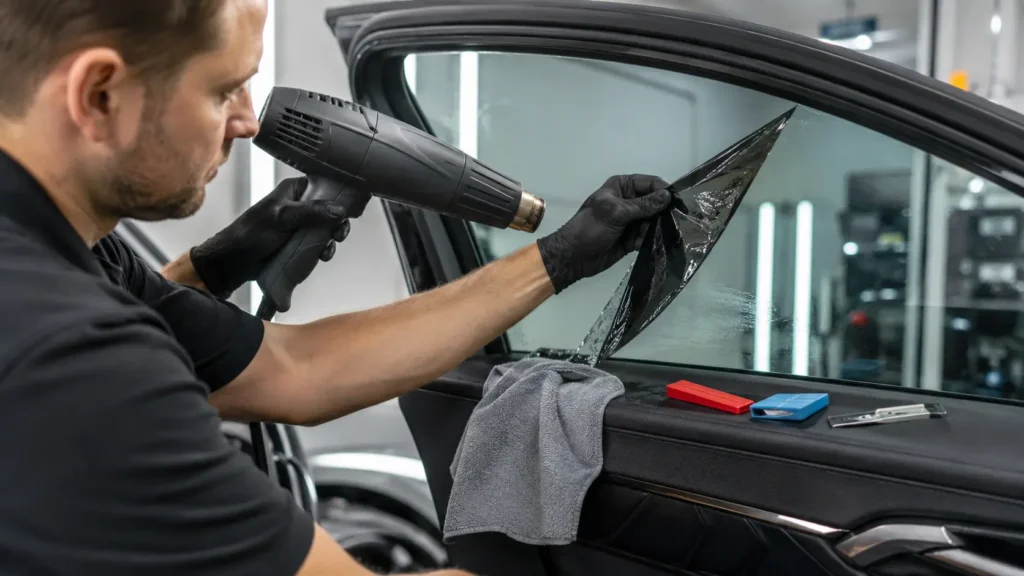
Once you’ve confirmed your lease terms and provincial requirements, the quality of the installation becomes your best protection at lease return. Poorly applied film can bubble, peel, or leave scratches and stubborn residue behind, all of which can show up as wear-and-tear charges when you hand the keys back. Choosing a professional installer means your film is applied cleanly, with a shade selected to suit Ontario’s rules for each window, and can later be removed without damaging the glass or rear defroster lines. Our Window Tinting Ottawa service helps leased-vehicle drivers enjoy the comfort, privacy, and UV protection of quality tint during the lease, and our team also offers professional tint removal if your agreement requires the car to be returned in its original condition.
Even if your dealership allows tint, the tint still needs to be legal where you drive. Provincial rules are especially strict for windshields and front side windows because police and other road users need clear visibility into and out of the vehicle.
For example, Quebec’s SAAQ says front side windows must let in at least 70% of light when measured with a photometer, and it allows only a strip no more than 15 cm wide on the upper windshield. British Columbia’s Motor Vehicle Act Regulations say material that reduces light transmission may only be placed on limited areas, including no more than 75 mm below the top of the windshield, windows behind the driver, or the rear window when the vehicle has outside mirrors on both sides.
Because Canadian tint rules vary by province, do not choose tint based only on appearance. Ask the installer what is legal in your province before booking.
What Are Policies About Car Windows Tint on a Lease?
Policies about car windows tint usually come from three places:
- The lease agreement
This decides whether the vehicle can be modified and whether tint must be removed before return. - Provincial law
This decides how dark the tint can be and which windows can be tinted. - Lease-return inspection standards
This decides whether the tint is acceptable, damaged, illegal, or considered excess wear.
A tint job may look clean and professional, but it can still cause problems if it violates one of these three areas.
Which Windows Can Usually Be Tinted on a Leased Car?
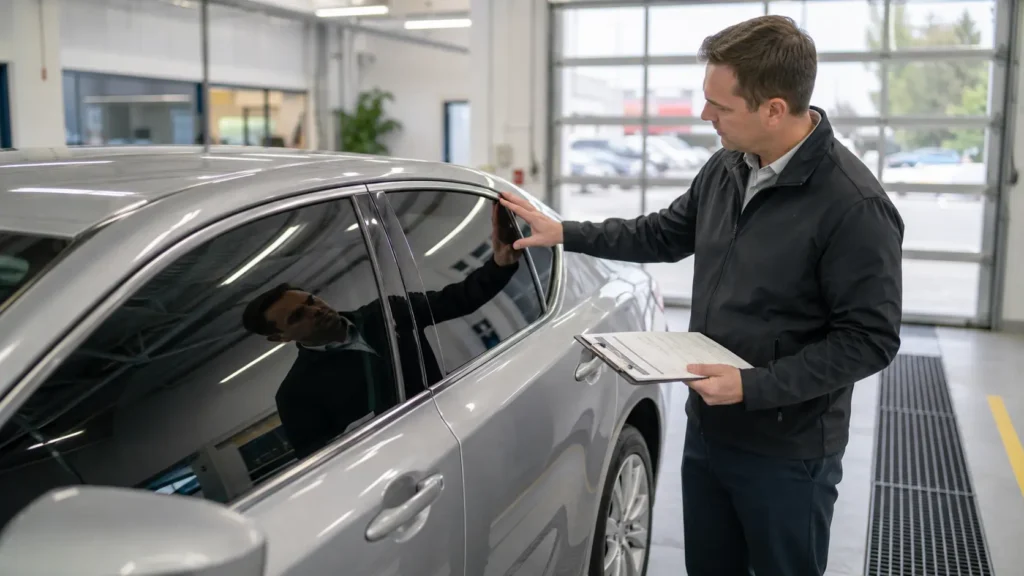
The answer depends on your province and lease agreement, but the general pattern is:
Front Windshield
This is usually the most restricted area. In many provinces, full windshield tint is not allowed. A small top strip may be allowed in some places, but the width and position matter.
Front Side Windows
Front side windows are also heavily regulated because they affect driver visibility and police visibility. Some provinces allow light tint, while others restrict aftermarket tint more strongly.
Rear Side Windows
Rear side windows often have more flexibility, especially if the vehicle has proper side mirrors. However, lease rules still apply.
Rear Windshield
Rear windshield tint may be allowed in many cases, but installers must be careful around defroster lines. Poor installation or removal can damage those lines and create lease-return problems.
Benefits of Tinting Windows on a Leased Car
Tinting a leased vehicle can be helpful when done properly.
Better Driving Comfort
Tint can reduce glare from sunlight and headlights, making driving more comfortable.
Heat Reduction
Quality window film can help reduce cabin heat, especially during summer driving or long commutes.
UV Protection
Many quality window films are designed to reduce UV exposure and help protect interior materials from fading. Always check the film specifications before choosing a product.
More Privacy
Tint can make it harder for people to see inside the vehicle, especially on rear windows.
Interior Protection
Tint may help protect seats, dashboards, trim, and electronics from sun exposure over the lease term.
Improved Appearance
A clean tint job can give the vehicle a more finished look without making permanent body modifications.
Risks of Tinting a Leased Car
Tinting a leased vehicle is not risk-free.
Lease-End Charges
If the leasing company does not accept the tint, you may need to pay for professional removal or restoration.
Illegal Tint Tickets
If the tint is too dark or placed on restricted windows, you may receive a ticket or be required to remove it.
Insurance Concerns
Illegal tint may create complications if it contributes to a compliance issue or if the vehicle is involved in an incident in a jurisdiction where the tint is not legal. ThinkInsure notes that tinted windows and insurance can be connected when tint does not comply with the law.
Glass or Defroster Damage
Cheap installation or careless removal can damage glass, seals, or rear defroster lines.
Warranty Questions
Some manufacturers or lease companies may raise concerns if aftermarket film interferes with electronics, sensors, antennas, or embedded glass components.
Poor Appearance
Bubbling, peeling, purple tint, dirt under the film, and rough edges can make the vehicle look poorly maintained.
Should You Get Permission Before Tinting a Leased Car?
Yes. Permission is strongly recommended.
Even if many drivers tint leased vehicles without issues, your lease company may have its own rules. Ask these questions before booking:
- Does my lease allow aftermarket window tint?
- Do I need written approval?
- Is professional installation required?
- Are there tint percentage limits?
- Do I need to remove the tint before returning the vehicle?
- Will tint affect lease-end inspection?
- Will tint affect any warranty coverage?
- Do you require proof of legal VLT?
If the dealership gives approval, save the email, invoice, film specification, and warranty documents.
Professional Tint vs DIY Tint on a Leased Car
For leased vehicles, professional installation is usually the safer choice.
| Option | Pros | Cons |
|---|---|---|
| DIY tint | Lower upfront cost | Higher risk of bubbles, scratches, poor cuts, and residue |
| Pre-cut DIY film | Easier than roll film | Still requires skill and a clean workspace |
| Professional tint | Cleaner finish, warranty, legal guidance | Higher upfront cost |
| Removable static film | Easier to remove | May not perform or look like professional ceramic tint |
DIY tinting can be tempting, but leased cars leave less room for mistakes. A poor tint job can cost more later if the leasing company requires removal or repair.
For a deeper installation guide, read that how to install car window tint.
What Type of Tint Is Best for a Leased Car?
The best tint for a leased vehicle is usually:
- Legal in your province
- Professionally installed
- High quality
- Easy to remove
- Backed by a warranty
- Not too dark for safe driving
- Compatible with your vehicle’s glass and electronics
Ceramic Tint
Ceramic tint is popular because it can offer heat rejection without needing an extremely dark shade. It is often a good option if you want comfort while staying closer to legal visibility limits.
Carbon Tint
Carbon tint can offer a clean appearance and better durability than basic dyed film.
Dyed Tint
Dyed tint is usually cheaper, but it may fade faster and may not be the best choice for a leased vehicle if you want a clean look until lease return.
Removable Film
Temporary or removable tint may work for some drivers who want privacy without a traditional adhesive film. However, it may not look or perform the same as professional tint.
What Happens When You Return a Leased Car With Tint?
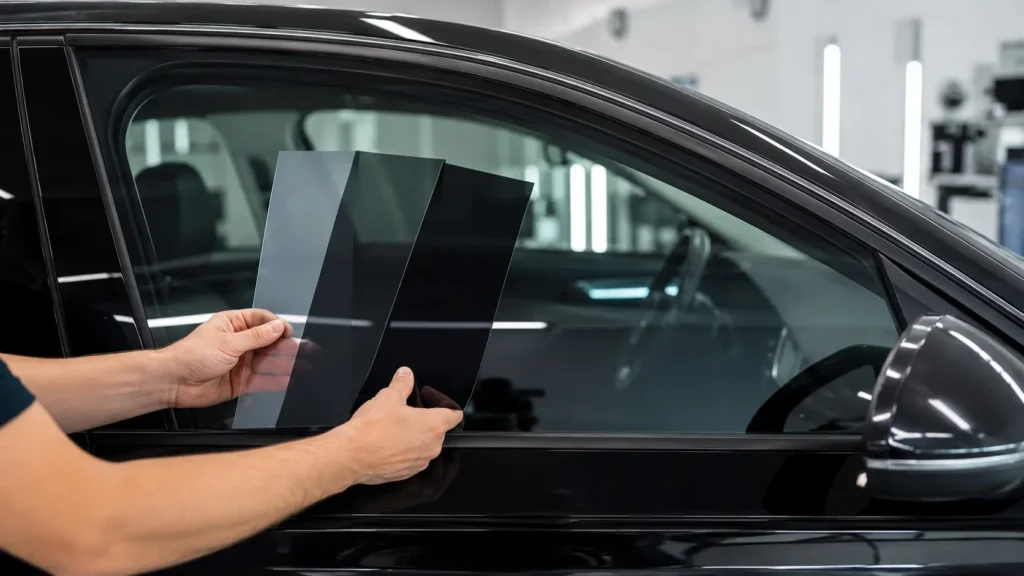
When the lease ends, the vehicle may go through a return inspection. The inspector may check whether the tint is legal, clean, undamaged, and acceptable under the lease agreement.
You may have no issue if:
- The tint is legal
- The installation is clean
- The film is not peeling or bubbling
- The glass is not damaged
- The leasing company allows it
- The vehicle still meets return standards
You may have a problem if:
- The tint is too dark
- The windshield or front windows violate local law
- The film is peeling or scratched
- Removal leaves glue behind
- Defroster lines are damaged
- The lease requires removal before return
The safest plan is to ask the leasing company 60–90 days before return whether they want the tint removed.
Should You Remove Tint Before Returning a Leased Car?
It depends on the lease company and the tint condition. Some dealers may accept clean, legal, professionally installed tint. Others may require removal.
You should consider removing tint before return if:
- It is illegal in your province
- It is darker than allowed
- It is bubbling, fading, or peeling
- The lease company requests removal
- You installed it without approval
- The film looks worn or damaged
For a helpful removal guide, read that how to remove car window tint.
Where Should You Get a Leased Car Tinted?
Choose a tint shop that understands legal tint limits, lease-return concerns, and clean removal planning. Do not choose only by price. The lowest-cost tint job may create problems later if the film bubbles, peels, or leaves residue.
A good tint installer should:
- Explain legal VLT options
- Recommend lease-friendly film
- Avoid windshield and front-window compliance issues
- Protect defroster lines
- Provide a warranty
- Give aftercare instructions
- Provide an invoice and film details
- Explain future removal options
For a service-selection guide, read that where to get my car windows tinted.
Practical Examples
Example 1: Light Ceramic Tint on a Leased Sedan
A driver leases a sedan and wants heat reduction without dark windows. A light ceramic tint may improve comfort while keeping visibility high. The driver should check the lease agreement, confirm provincial law, and save installation records.
Example 2: Dark Rear Tint on an SUV
An SUV driver wants privacy for rear passengers and cargo. Rear windows may have more flexibility in many places, but the driver should still confirm local law and lease-return requirements.
Example 3: Illegal Front Tint
A driver installs dark tint on front side windows without checking provincial rules. If the tint fails a roadside check or lease inspection, the driver may need to pay for removal and could face compliance issues.
Example 4: Lease Return With Bubbling Tint
A driver returns a leased vehicle with peeling film on the rear glass. The leasing company may treat it as poor condition and charge for removal or repair, especially if adhesive residue remains.
Example 5: Tint Removed Before Return
A driver schedules professional tint removal before lease return. The glass is cleaned, defroster lines are protected, and the vehicle returns closer to its original condition.
Common Misconceptions About Tinting a Leased Car
“A leased car can never be tinted.”
Not true. Many leased cars can be tinted if the lease allows it, the tint is legal, and the vehicle can be returned in acceptable condition.
“If the dealer installs it, it is always legal.”
Not always. You should still confirm the tint level and provincial rules.
“Darker tint is better.”
Not necessarily. A high-quality lighter film may offer good heat control while keeping visibility safer and more compliant.
“I do not need to remove tint before lease return.”
Maybe, but not always. Ask the leasing company before return.
“DIY tint saves money on a lease.”
It can, but mistakes can cost more than professional installation if the film bubbles, scratches, or leaves glue behind.
Maintenance Tips for Tinted Leased Cars
Good aftercare helps avoid lease-return issues.
- Keep windows rolled up until the installer says the film has cured.
- Avoid cleaning the inside glass for the first few days.
- Use ammonia-free cleaner.
- Wipe with a soft microfibre cloth.
- Do not scrape the film.
- Avoid abrasive pads.
- Do not pick at edges.
- Keep the invoice and warranty.
- Check for bubbling or peeling before lease return.
- Schedule removal early if needed.
Conclusion
Are you allowed to tint windows on a leased car? Usually yes, but you need to be careful. A leased vehicle is not fully yours, so the tint must satisfy the lease agreement, provincial tint rules, installation quality standards, and lease-return expectations.
The safest approach is simple: check your lease contract, ask for written approval, choose legal car window tint, use a professional installer, keep documentation, maintain the film properly, and plan for removal if the leasing company requires it. Done correctly, tinting a leased car can improve comfort, privacy, and appearance without creating avoidable problems at lease return.
FAQs About Tinting Windows on a Leased Car
Are you allowed to tint windows on a leased car?
Yes, in many cases you are allowed to tint windows on a leased car, but you should check your lease agreement, follow provincial tint laws, and avoid any installation that could damage the vehicle.
Do I need permission to tint a leased car?
Yes, it is best to get written permission from the dealership or leasing company before installing tint.
Can a leasing company charge me for window tint?
Yes. You may be charged if the tint is illegal, damaged, poorly installed, difficult to remove, or not allowed under the lease agreement.
Do I have to remove tint before returning a leased car?
Not always. Some leasing companies accept clean, legal tint. Others may require removal. Ask before your lease return date.
Is car window tint legal in Canada?
Car window tint can be legal in Canada, but rules vary by province. Windshields and front side windows usually have stricter limits than rear windows.
What tint percentage is safest for a leased car?
The safest tint percentage is one that follows provincial law and keeps good visibility. Many drivers choose lighter film for front windows and darker legal options for rear windows where allowed.
Can I tint the windshield on a leased car?
Full windshield tint is usually risky and often restricted. Some provinces allow only a small top strip. Check your provincial rules before tinting any part of the windshield.
Is ceramic tint good for leased vehicles?
Ceramic tint can be a good option because it can reduce heat without needing to be extremely dark. It should still be legal, professionally installed, and removable.
Can I install tint myself on a leased car?
You can, but DIY tint is risky on a lease. Poor cutting, bubbles, scratches, or adhesive residue can create lease-return problems.
Will window tint affect my insurance?
Legal tint usually should not be an issue, but illegal tint may create complications if it affects compliance, safety, or claim handling. Check with your insurer if you are unsure.
What should I keep after tinting a leased car?
Keep the invoice, film specifications, warranty details, written lease approval, and any communication with the dealership or leasing company.
What should I do before my lease ends?
Inspect the tint for bubbling, peeling, scratches, or illegality. Ask the leasing company whether removal is required and schedule professional removal early if needed.