


Yes, ceramic coating is worth it for many car owners—but not for everyone. Ceramic coating is a liquid polymer that bonds to your vehicle’s clear coat to improve water repellency, chemical resistance, gloss, and ease of maintenance. It can be a smart investment if you want longer-lasting paint protection than wax or sealants, but it is not a magic shield, and it is not the right answer for every budget, vehicle, or owner.
If you are trying to decide whether ceramic coating is worth the cost, the right question is not just “Does it work?” The better question is “Is it the best fit for how I use, wash, store, and care for my car?”
What is ceramic coating?
Ceramic coating is a liquid paint-protection product, usually based on SiO2 or similar advanced chemistry, that bonds to the surface of your vehicle’s clear coat. Once cured, it creates a durable, hydrophobic, chemical-resistant layer that helps the paint stay cleaner, look glossier, and resist contamination more effectively than traditional wax.
It does not replace your paint, repair deep scratches, stop rock chips, or eliminate washing. What it does well is improve surface protection, maintenance ease, gloss retention, and resistance to environmental contamination.
Source suggestion: manufacturer technical sheets and installer documentation from brands such as CarPro, Gtechniq, GYEON, Ceramic Pro, and FEYNLAB.
Quick answer: Is ceramic coating worth it?
Ceramic coating is usually worth it if you:
- keep your car for several years
- care about paint appearance
- wash your car properly and somewhat regularly
- want easier cleaning and stronger long-term protection than wax
- drive in harsh weather, road salt, strong sun, or heavy contamination
Ceramic coating may not be worth it if you:
- want the cheapest possible paint protection
- rarely wash the vehicle
- expect it to prevent chips, deep scratches, or neglect
- plan to sell the car very soon
- do not want to pay for proper prep work
What ceramic coating actually protects against
Ceramic coating is best understood as a surface-performance upgrade, not an invisible force field.
What it helps with
- UV exposure and oxidation
- bird droppings, bug splatter, and tree sap
- road grime and winter contamination
- water spotting risk reduction
- easier washing and drying
- better gloss retention
- light wash-related marring resistance compared with bare paint
What it does not fully stop
- rock chips
- deep scratches
- parking lot dents
- poor washing technique
- neglected contamination left on the paint too long
- swirl marks from dirty wash mitts or automatic brush washes
That distinction matters. Many buyers regret ceramic coating not because the product failed, but because their expectations were unrealistic.
Why people choose ceramic coating
Most people do not buy ceramic coating because they want another detailing product. They buy it because they want a car that is easier to live with.
The real-world advantages
- Easier maintenance: Dirt and water do not cling as aggressively.
- Better appearance: Paint often looks glossier, deeper, and cleaner for longer.
- Longer-lasting protection: It outlasts wax and many sealants by a wide margin.
- Chemical resistance: It helps reduce the chance of quick etching from common contaminants.
- Reduced wash effort: Not no-maintenance—just easier maintenance.
For a daily driver in strong sun, salty winters, or dusty conditions, those benefits can be meaningful over time.
Pros and cons of ceramic coating
Pros
- Longer-lasting than wax or many paint sealants
- Strong hydrophobic behavior
- Helps keep paint cleaner between washes
- Improves gloss and visual depth
- Better resistance to chemicals and environmental fallout
- Can help preserve resale appearance
- Reduces how often you need to reapply short-term protection
Cons
- Higher upfront cost than wax or sealants
- Prep work is critical and often expensive
- Not scratch-proof or chip-proof
- Still requires proper washing and maintenance
- Poor application can cause high spots, streaks, or uneven finish
- Wrong expectations often lead to buyer disappointment
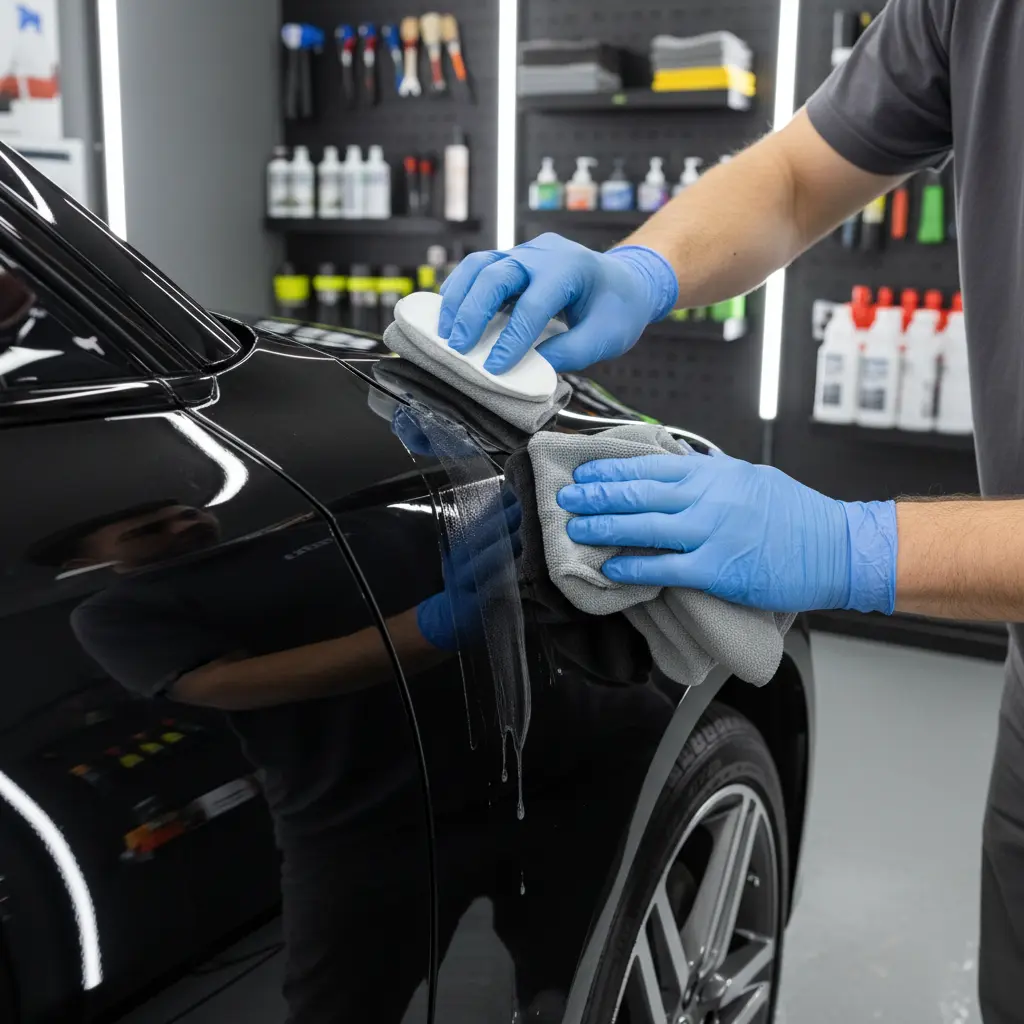
Ceramic coating vs wax vs sealant vs PPF
One of the biggest gaps in most ceramic coating articles is that they do not help users compare options clearly enough. Here is the practical version.
| Protection option | Best for | Typical strength | Main weakness |
| Wax | Short-term shine, budget-conscious owners | Great glow, easy to apply | Wears off quickly |
| Paint sealant | Affordable longer-lasting protection than wax | Better durability than wax | Still temporary |
| Ceramic coating | Long-term gloss, easier maintenance, chemical resistance | Strong balance of protection and convenience | Higher cost, still needs maintenance |
| Paint protection film (PPF) | Rock chip and impact-prone areas | Best physical protection | More expensive, not the same purpose as coating |
The simplest way to think about it
- Choose wax if you want low cost and like reapplying protection often.
- Choose sealant if you want a practical middle ground.
- Choose ceramic coating if you want durable paint protection and easier upkeep.
- Choose PPF if chip resistance matters most, especially on front-end impact zones.
For many owners, the best setup is actually PPF on high-impact areas plus ceramic coating on top or elsewhere, depending on budget and goals.
Is ceramic coating worth it for daily drivers?
For many daily drivers, yes—if the owner wants easier maintenance and plans to keep the car looking good.
Daily-driven vehicles deal with:
- road grime
- salt
- UV exposure
- bird droppings
- rain minerals
- frequent washing needs
Ceramic coating can make that ownership experience easier. But there is an important catch: if the car is constantly left filthy for long periods, parked under heavy contamination, or washed poorly, the coating will not deliver the result people imagine.
Best fit daily driver
A daily driver that:
- gets washed semi-regularly
- is not neglected for months at a time
- is parked outdoors or driven in rough weather
- has an owner who values easier cleaning
Poor fit daily driver
A daily driver that:
- rarely gets washed
- sees heavy contamination with no maintenance
- is expected to become “scratch-proof”
- is being coated mainly because the owner was told it needs no care
Is ceramic coating worth it on a new car?
Often, yes—but only if the paint is inspected and corrected first if needed.
A common myth is that a brand-new vehicle does not need paint correction before coating. In reality, new cars can arrive with:
- dealer wash marks
- fine swirls
- transport contamination
- light marring
- haze or finishing defects
If ceramic coating is applied over those flaws, it can lock them in visually.
So the better rule is this:
A new car is one of the best candidates for ceramic coating, but only after the paint is properly inspected and prepared.
Is ceramic coating worth it on an older car?
It can be, but only if the condition of the paint supports it.
Ceramic coating does not restore badly neglected paint on its own. If the paint has oxidation, heavy swirls, scratches, staining, or fading, the owner may first need:
- decontamination
- polishing
- paint correction
That prep can significantly change the cost equation.
When it makes sense on an older car
- the paint is still fundamentally healthy
- the owner wants to preserve the vehicle long term
- the car has sentimental or enthusiast value
- the finish can be improved meaningfully before coating
When it may not make sense
- the paint is already heavily compromised
- budget is tight
- the owner only wants a short-term cosmetic boost
- the vehicle is rarely maintained
How much does ceramic coating cost, and why?
Ceramic coating cost is not just about the bottle. The product itself is only one part of the service.
What you are actually paying for
- exterior wash and decontamination
- paint inspection
- machine polishing or paint correction
- panel preparation
- careful application
- curing time
- installer skill
- environment control
- warranty, if offered
- aftercare guidance
That is why ceramic coating prices vary so much.
Main cost factors
- vehicle size
- paint condition
- number of correction stages needed
- coating brand and type
- number of coating layers
- installer experience
- indoor curing setup
- whether trim, wheels, or glass are included
Source suggestion: installer pricing guides, brand-certified installer programs, and technical application requirements from major coating manufacturers.
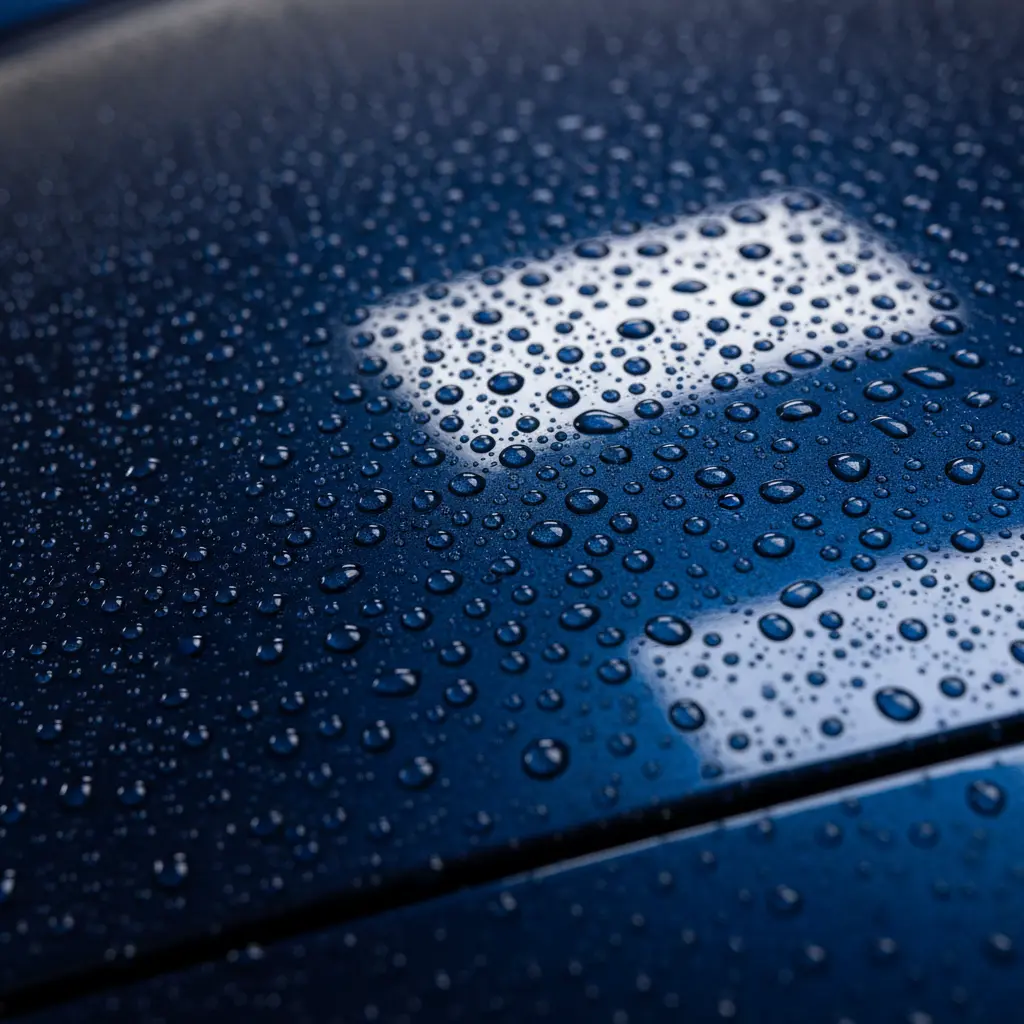
Is ceramic coating worth the money long term?
Often, yes—especially if you compare it against repeated waxing, frequent detailing, or paint deterioration over time.
It can save value through:
- reduced maintenance effort
- better paint appearance over the long term
- fewer short-term product purchases
- easier cleaning in winter and bad weather
- stronger resale presentation
But it is still only worth the money if:
- the application is done properly
- the owner understands the limits
- the maintenance is not ignored
Ceramic coating is not automatically a good investment just because it is expensive. It becomes worth it when the owner’s habits and expectations match what the coating actually does.
Common misconceptions about ceramic coating
“Ceramic coating makes the car scratch-proof.”
False. It can improve resistance to light wash marring, but it does not stop deep scratches or impact damage.
“A ceramic-coated car never needs washing.”
False. It still needs regular washing. The washing process is just easier and usually faster.
“All ceramic coatings are the same.”
False. Product quality, prep work, installer skill, and maintenance all affect the result.
“Ceramic coating is permanent.”
Usually false. Many coatings are marketed with multi-year durability, but longevity depends on prep, climate, driving conditions, wash methods, and upkeep.
“A new car never needs polishing before coating.”
False. New vehicles can still have defects that should be corrected before coating.
What maintenance does ceramic coating require?
This is where many buyers underestimate the commitment.
Ceramic coating is low maintenance, not no maintenance.
Good maintenance habits
- wash the car regularly with a pH-balanced shampoo
- use clean microfiber towels and mitts
- avoid dirty automatic brush washes
- remove bird droppings, bug splatter, and sap quickly
- use coating-safe maintenance products if recommended
- inspect the finish periodically
Bad maintenance habits
- letting contamination sit for weeks
- using harsh, incompatible chemicals
- washing with poor technique
- assuming water behavior alone means the coating is “fine”
A coated car that is neglected can still look bad. In fact, one competitor source correctly highlights that coatings perform best when the vehicle is kept reasonably clean; they are not ideal for owners who want to stop caring for the car entirely.
How long does ceramic coating last?
There is no single universal answer.
Many coatings are sold with durability ranges from around 1 to 5 years or more, depending on:
- coating chemistry
- installer process
- paint prep
- climate
- mileage
- storage conditions
- wash frequency and wash method
What matters more than a marketing number is whether the coating still performs well in the real world.
Longevity depends heavily on:
- clean prep
- proper cure time
- how the vehicle is washed
- how dirty the vehicle gets between washes
- whether the coating is maintained properly
Source suggestion: product durability claims and maintenance guidelines from brand technical data sheets, plus professional installer aftercare documents.
Who should get ceramic coating?
Ceramic coating is a strong fit for:
- owners who keep cars several years
- enthusiasts who care about paint appearance
- daily drivers in harsh climates
- new-car owners who want to protect a corrected finish
- people who wash properly and want to make that process easier
- dark-colored cars where gloss and contamination are especially noticeable
Who may be better off with another option?
Ceramic coating may not be the best fit for:
- owners who rarely wash their vehicles
- people expecting impact protection from chips and dents
- ultra-budget-focused owners
- neglected daily drivers with poor paint and no prep budget
- owners who only care about shine for a few weeks
- people who would be better served by sealant, wax, or PPF
One of the more useful competitor ideas is that not every vehicle should be coated just because coating exists. Some vehicles are better candidates for sealants, wax, or simpler maintenance plans depending on paint condition, usage, and owner behavior.
How to decide if ceramic coating is worth it for you
Ask yourself these questions:
1. How long will I keep the car?
If the answer is several years, ceramic coating becomes easier to justify.
2. Do I care about easier washing and long-term gloss?
If yes, coating makes more sense.
3. Am I expecting chip protection?
If yes, you may need PPF, not just ceramic coating.
4. Will I wash the car correctly?
If no, the benefits may not feel worth the cost.
5. Is the paint already in good enough condition?
If no, be prepared for prep or correction costs.
6. Am I buying the coating—or the prep?
The prep work is often where most of the real value lies.
That last point matters. A coating applied to poorly prepared paint is rarely worth it, even if the product itself is excellent.
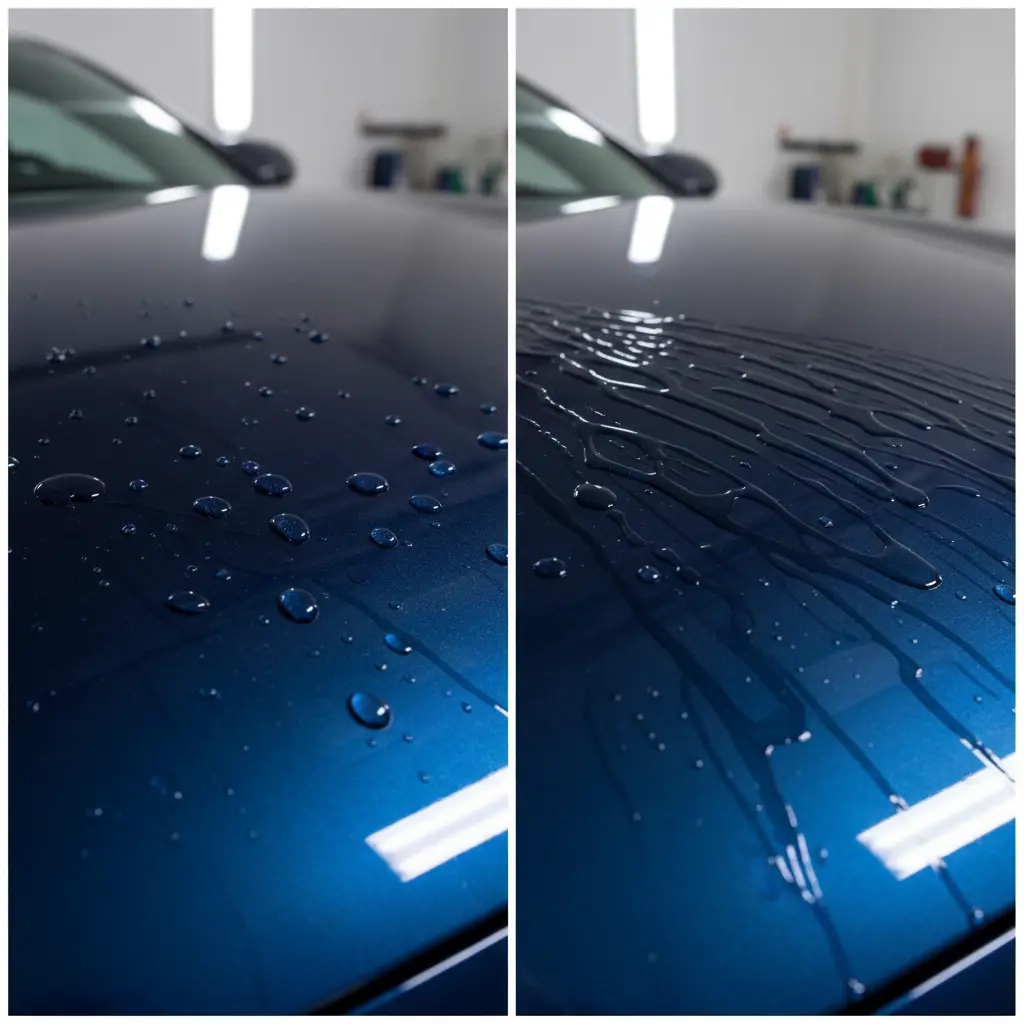
Practical examples
Example 1: New daily driver in a snowy climate
Likely worth it. The owner gets easier winter cleanup, better resistance to grime, and stronger long-term finish preservation.
Example 2: Older commuter with tired paint and low resale value
Maybe not worth it unless the owner really wants to preserve it and is willing to invest in prep.
Example 3: Weekend car stored indoors
Possibly worth it for gloss and easier upkeep, but wax or sealant may be enough if the vehicle is rarely exposed.
Example 4: Highway-driven car worried about stone chips
Ceramic coating alone is probably not enough. PPF may be the better first investment.
Buying and service considerations
Before paying for ceramic coating, ask:
- What prep work is included?
- Is paint correction included, and to what level?
- Which coating brand is being used?
- How long is the realistic durability, not just the advertised warranty?
- What maintenance is required?
- Are wheels, trim, and glass included?
- How long does the car need to stay in the shop for cure time?
- What happens if I get high spots or issues after application?
- Is the installer experienced with my paint type and vehicle use case?
Good buyers ask about the process, not just the brand name.
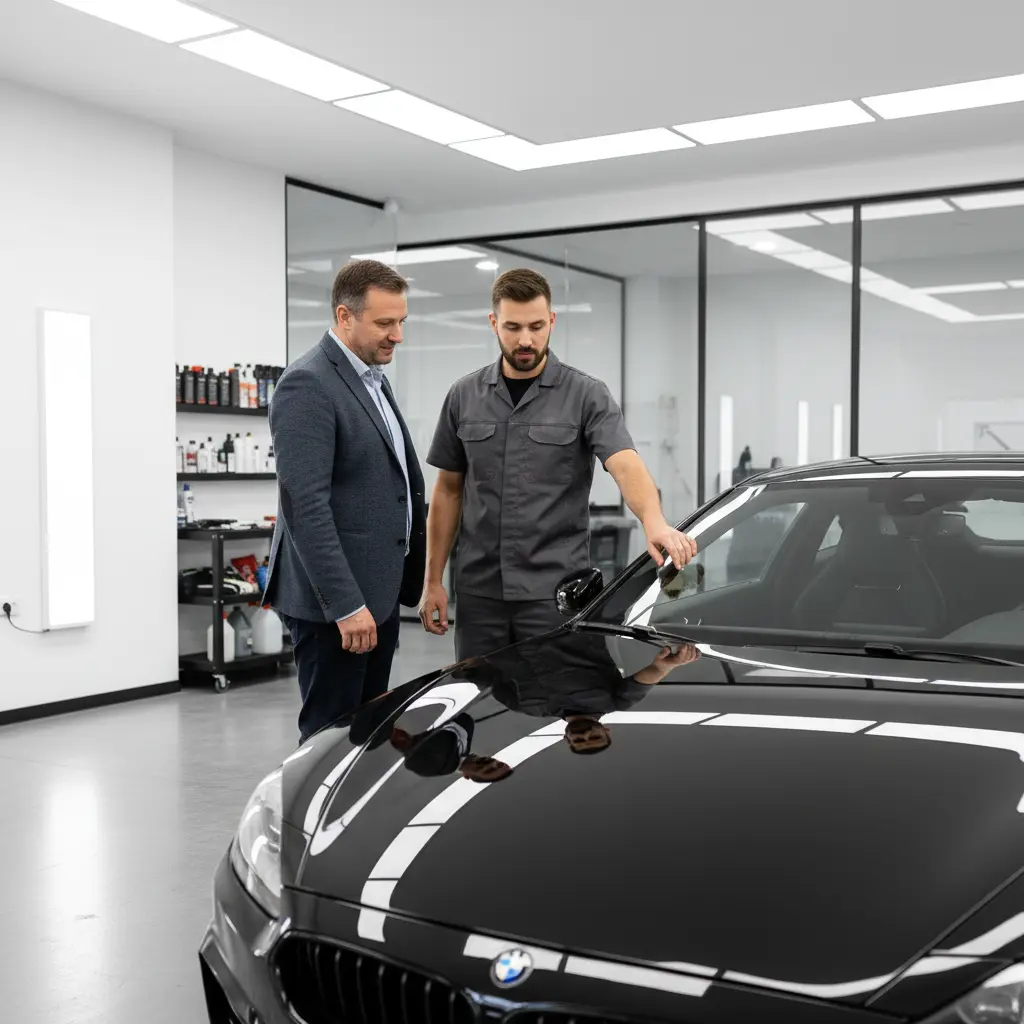
Final verdict: Is ceramic coating worth it?
Yes, ceramic coating is worth it when the owner wants real paint protection benefits, understands the limits, and is willing to maintain the vehicle properly.
It is especially worthwhile if you want:
- longer-lasting protection than wax
- easier cleaning
- better resistance to contamination
- improved gloss and finish retention
- a more practical long-term paint-care solution
It is not worth it if you expect:
- zero maintenance
- rock chip protection
- scratch-proof performance
- a miracle fix for bad paint
- top-tier results without proper prep
So, if you are asking “is ceramic coating worth it?”, the honest answer is:
For the right car, the right owner, and the right expectations—yes. For the wrong use case, it can be an expensive mismatch.
FAQ: Is ceramic coating worth it?
Is ceramic coating worth it on a daily driver?
Usually yes, especially if the car sees harsh weather, road salt, or frequent contamination and the owner wants easier upkeep.
Is ceramic coating worth it if I park outside?
Often yes. Outdoor parking increases UV exposure, contamination, and environmental wear, which makes long-term protection more useful.
Is ceramic coating worth it over wax?
If you want longer-lasting protection and easier maintenance, yes. If you prefer the lowest upfront cost and do not mind frequent reapplication, wax may still be fine.
Is ceramic coating worth it on a used car?
It can be, but it depends on paint condition. If the finish needs correction first, the total cost may rise significantly.
Is ceramic coating worth it if I use automatic car washes?
Usually less so, especially if they use brushes. Poor wash methods can reduce the visual and practical benefits over time.
Is ceramic coating worth it for black cars?
Often yes. Black paint shows gloss beautifully, but it also shows dust, water spots, and wash marks more easily. Coating can help with maintenance, though wash technique still matters.
Does ceramic coating increase resale value?
It may help preserve appearance and improve buyer perception, but the resale benefit depends on the vehicle, market, and overall condition.
Is ceramic coating worth it if I only keep the car for a year?
Maybe not. A sealant or wax may be more cost-effective if your ownership period is very short.