


When it comes to upgrading your driving experience, TNT Auto Window Tinting isn’t just about looks—it’s about comfort, protection, efficiency, and long-term value. Whether you’re battling intense heat, glare, or privacy concerns, professional window tinting offers a smart, science-backed solution.
This guide breaks down everything you need to know—from benefits and types to legal considerations and expert insights—so you can make an informed decision with confidence.
What Is Auto Window Tinting? (Quick Answer)
Auto window tinting is the process of applying a thin film to your car’s windows to reduce sunlight, block UV rays, improve privacy, and enhance overall driving comfort.
Why TNT Auto Window Tinting Stands Out
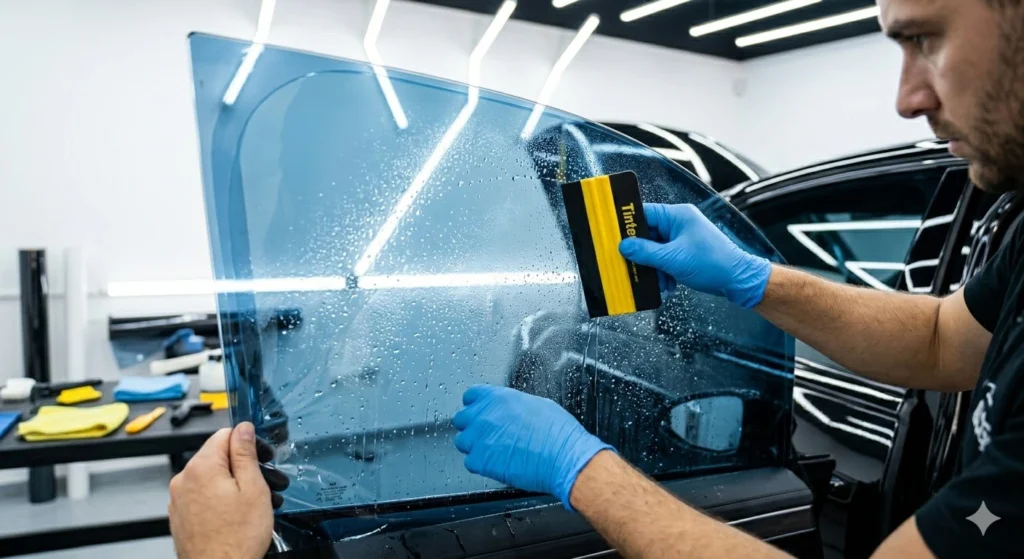
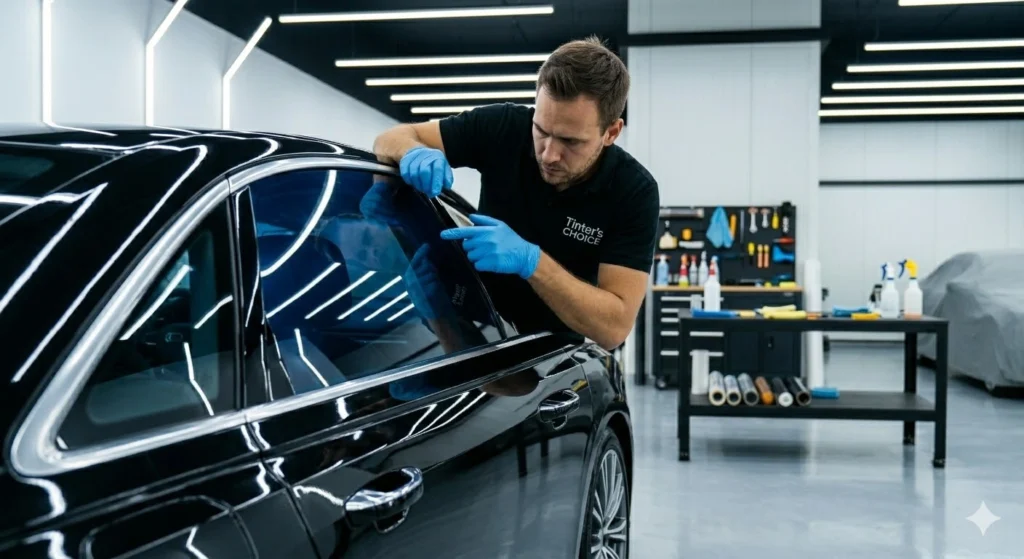
Not all tinting services are created equal. TNT Auto Window Tinting focuses on precision installation, high-performance films, and long-term durability.
Key Differentiators:
- Professional-grade films (ceramic, carbon, hybrid)
- Bubble-free, precision installation
- Heat rejection technology
- Compliance with local tint laws
- Warranty-backed services
Top Benefits of TNT Auto Window Tinting
1. Superior Heat Reduction
Window tinting can block up to 60–80% of solar heat, keeping your car significantly cooler—even in peak summer.
Why it matters:
- Less reliance on AC
- Improved fuel efficiency (especially in hot climates)
- More comfortable driving experience
2. UV Protection (Skin & Interior Safety)
High-quality tint films block up to 99% of harmful UV rays.
Protects against:
- Skin damage and premature aging
- Fading upholstery and dashboard cracking
- Long-term interior wear
3. Enhanced Privacy & Security
Tinted windows reduce visibility from outside, helping protect valuables and passengers.
Added benefit:
In case of impact, tint film can hold shattered glass together, reducing injury risk.
4. Glare Reduction for Safer Driving
Glare from sunlight or headlights can be dangerous.
Tinting helps by:
- Improving visibility
- Reducing eye strain
- Enhancing reaction time while driving
5. Aesthetic Upgrade
A professionally tinted vehicle looks sleek, modern, and premium.
Types of Window Tint Films Explained
Choosing the right film is critical. Here’s a breakdown:
Dyed Film
- Budget-friendly
- Basic heat and glare reduction
- Less durable over time
Carbon Film
- Better heat rejection
- Matte finish (no fading)
- Long-lasting performance
Ceramic Film (Premium Choice)
- Top-tier heat and UV rejection
- No signal interference (GPS, phone)
- Exceptional clarity and durability
Expert Insight:
Ceramic tint is widely considered the best long-term investment due to its performance and longevity.
How Much Does TNT Auto Window Tinting Cost?
Typical price range:
- Basic tint: $100–$250
- Mid-range (carbon): $250–$500
- Premium (ceramic): $400–$800+
Factors that affect cost:
- Vehicle size and type
- Film quality
- Number of windows
- Local labor rates
Is Window Tinting Legal? (Important)
Yes—but laws vary by location.
Key legal factors:
- VLT (Visible Light Transmission) limits
- Restrictions on windshield tint
- Medical exemptions (in some areas)
Pro Tip:
Always choose a provider like TNT Auto Window Tinting that ensures compliance with local regulations.
How Long Does Window Tint Last?
- Dyed film: 2–5 years
- Carbon film: 5–10 years
- Ceramic film: 10+ years
Proper installation and maintenance significantly extend lifespan.
Maintenance Tips for Long-Lasting Tint
- Wait 3–5 days before rolling windows down
- Use ammonia-free cleaners
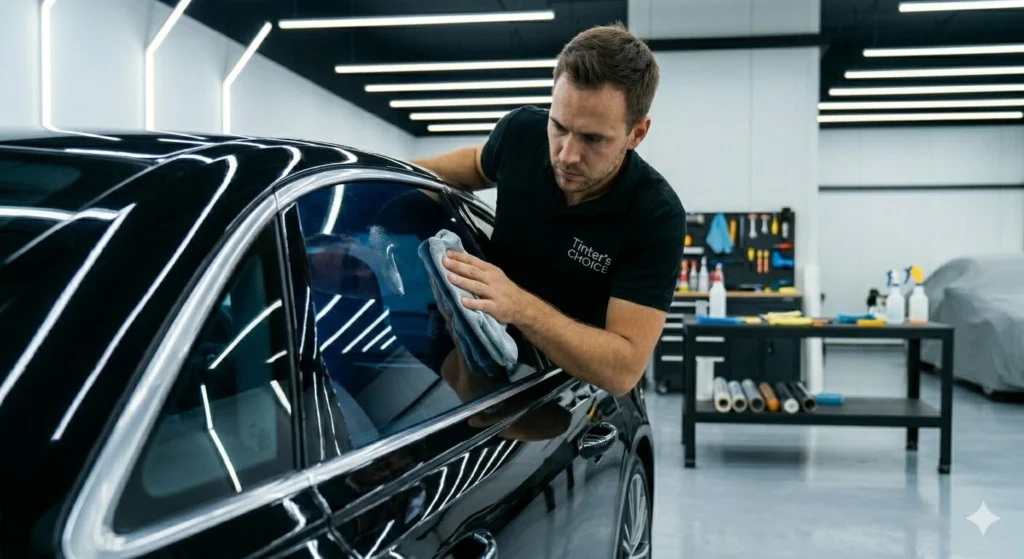
- Clean with soft microfiber cloths
- Avoid sharp objects near the film
Common Questions
Does window tinting really reduce heat?
Yes. High-quality tint can reduce interior heat by up to 60–80%, depending on the film type.
Is ceramic tint worth it?
Absolutely. It offers superior heat rejection, UV protection, and durability without interfering with electronic signals.
Can window tint improve fuel efficiency?
Yes, indirectly. By reducing heat, your AC works less, which can improve fuel efficiency over time.
How long does installation take?
Typically 2–4 hours, depending on the vehicle and complexity.
Who Should Consider TNT Auto Window Tinting?
- Daily commuters dealing with heat and glare
- Families prioritizing UV protection
- Car enthusiasts seeking aesthetic upgrades
- Rideshare drivers needing privacy and comfort
- Anyone looking to protect their vehicle’s interior
The Science Behind Window Tinting
Modern tint films use multi-layer technology to:
- Reflect infrared heat
- Absorb solar energy
- Block ultraviolet radiation
This combination creates a cooler, safer, and more efficient cabin environment.
Mistakes to Avoid When Choosing a Tint Service
- Choosing the cheapest option over quality
- Ignoring warranty coverage
- Not checking legal compliance
- DIY installation without expertise
Final Thoughts
TNT Auto Window Tinting is more than a cosmetic upgrade—it’s a practical investment in comfort, safety, and long-term vehicle care. With the right film and professional installation, you can transform your driving experience while protecting what matters most.
If you’re looking for a solution that combines performance, durability, and style, window tinting isn’t optional—it’s essential.