


Keeping a car clean is about more than just appearance. Dirt, pollution, sun exposure, and everyday use slowly damage your vehicle inside and out. This is where car detailing comes in. Unlike a basic car wash, detailing focuses on deep cleaning, restoration, and protection to keep your vehicle looking and performing its best.
If you have ever wondered what car detailing actually includes, how it helps your car, or whether it is worth the cost, this guide explains everything in a clear and practical way.
What Is Car Detailing?
Car detailing is a thorough cleaning, restoration, and protection process for both the interior and exterior of a vehicle. The goal is not just to make the car look clean, but to restore it as close as possible to its original condition.
A regular car wash usually focuses on removing surface dirt from the exterior. Car detailing goes much deeper. It addresses paint imperfections, embedded contaminants, interior stains, odors, and even areas like the engine bay that are often ignored.
In simple terms:
- Car washing = surface-level cleaning
- Car detailing = deep cleaning + restoration + long-term protection
Detailing can be done by professionals or at home using the right tools and products, though professional detailing usually delivers more precise and long-lasting results.
Benefits of Car Detailing
Improves Appearance
Car detailing restores faded paint, removes swirl marks, and brings back shine. Interior detailing removes stains, dust, and odors, making the cabin look and feel fresh again.
Protects Your Vehicle
Detailing includes protective treatments such as waxing, sealants, or ceramic coatings. These protect the paint from UV rays, pollution, bird droppings, and moisture that can cause corrosion.
Maintains Resale Value
A well-maintained vehicle with clean interiors and protected paint holds its value better. Buyers are more likely to trust a car that looks cared for.
Prevents Long-Term Damage
Dirt, salt, and grime can slowly damage paint, leather, plastic, and fabric. Regular detailing helps prevent cracking, fading, and rust.
Healthier Interior Environment
Interior detailing removes allergens, bacteria, and unpleasant odors. This is especially important for people with allergies or those who spend long hours driving.
The Car Detailing Process
Car detailing usually includes multiple steps, depending on the service package. These steps are divided into exterior, interior, and sometimes engine detailing.
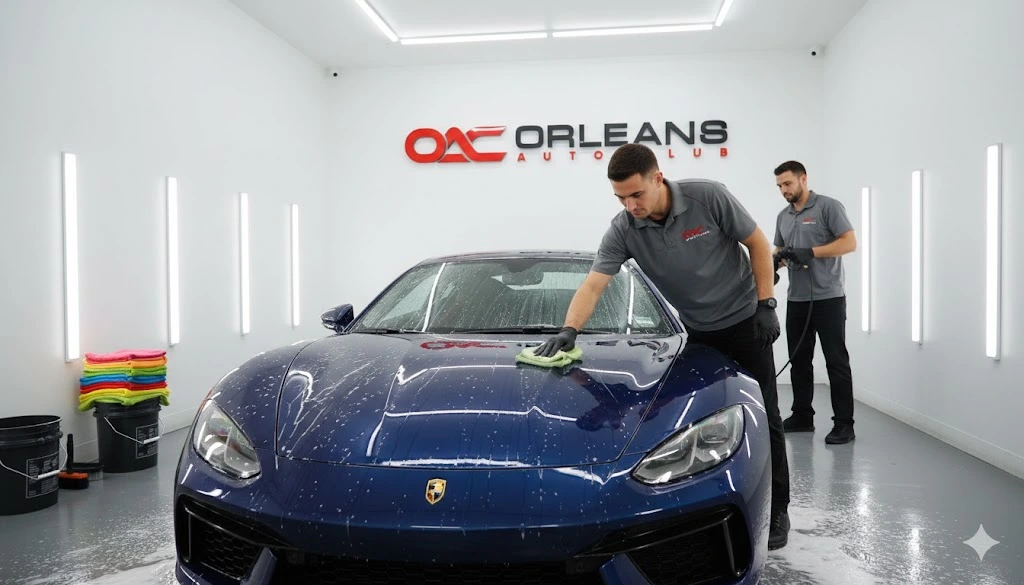
Exterior Detailing
Exterior detailing focuses on cleaning and protecting the outside of the vehicle.
Common steps include:
- Hand washing using safe techniques to avoid scratches
- Wheel and tire cleaning to remove brake dust and grime
- Clay bar treatment to remove embedded contaminants from paint
- Polishing to reduce swirl marks and light scratches
- Waxing or paint sealing to protect and enhance shine
This process not only improves appearance but also protects the paint from environmental damage.
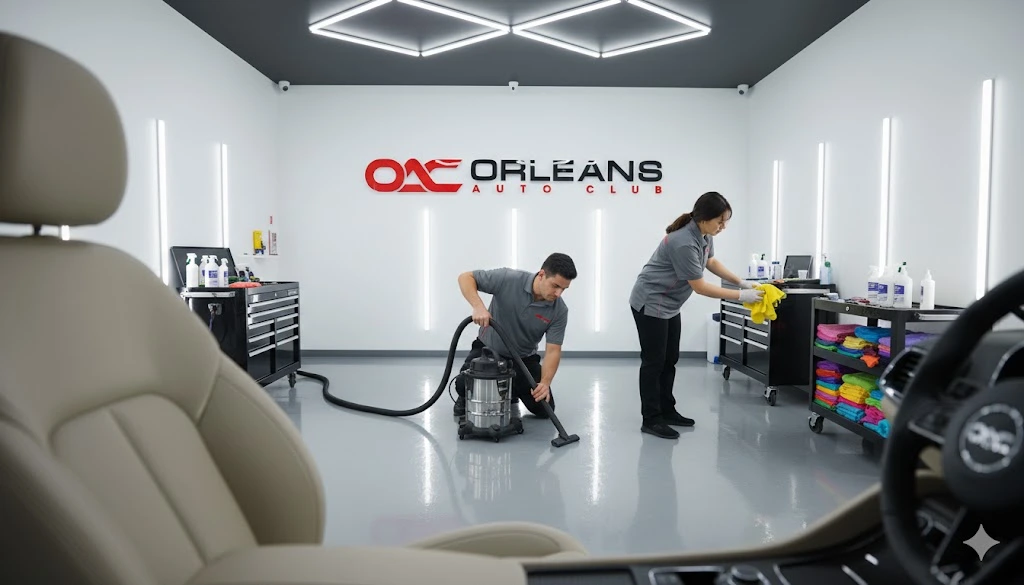
Interior Detailing
Interior detailing restores the inside of the car and improves comfort.
Key steps include:
- Vacuuming seats, carpets, and floor mats
- Shampooing fabric seats and carpets to remove stains
- Cleaning and conditioning leather seats
- Cleaning dashboards, door panels, and consoles
- Removing odors and sanitizing surfaces
Interior detailing is especially useful for cars with children, pets, or frequent daily use.
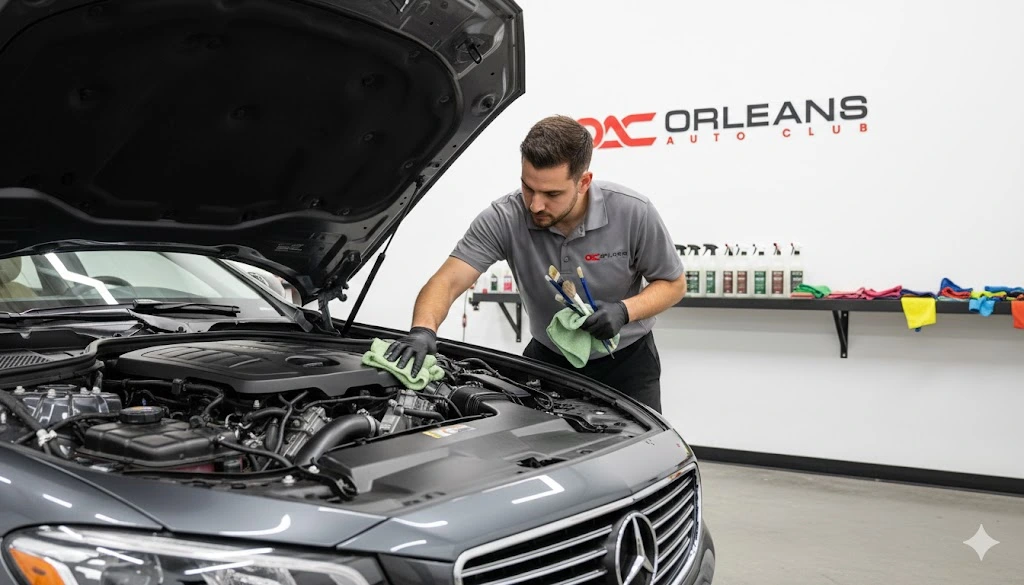
Engine Bay Detailing
Engine bay detailing involves safely cleaning the engine compartment.
Benefits include:
- Easier detection of leaks or issues
- Reduced buildup of grease and dust
- Improved overall presentation of the vehicle
This process is done carefully using proper techniques to avoid damage to electrical components.
Additional Detailing Services
Some detailing packages also include:
- Paint correction for deeper scratches and oxidation
- Headlight restoration to improve visibility and appearance
- Glass polishing and water-repellent treatments
These services further enhance both safety and aesthetics.
Tools and Products Used in Car Detailing
Car detailing requires specialized tools and products designed for different surfaces.
Common tools include:
- Microfiber towels to avoid scratches
- Soft brushes for vents and trim
- Dual-action polishers for paint correction
Common products include:
- pH-balanced car shampoos
- Clay bars and lubricants
- Polishes, waxes, and sealants
- Interior cleaners for fabric, leather, and plastic
Using the right products is essential. Household cleaners can damage paint, leather, and interior surfaces.
DIY vs Professional Car Detailing
DIY Car Detailing
DIY detailing can be cost-effective and suitable for basic maintenance.
Pros:
- Lower cost
- Convenient
- Good for regular upkeep
Cons:
- Time-consuming
- Limited results without professional tools
- Risk of damage if done incorrectly
DIY detailing works best for light cleaning and maintenance between professional services.
Professional Car Detailing
Professional detailing uses advanced tools, experience, and high-quality products.
Pros:
- Superior results
- Long-lasting protection
- Saves time and effort
Cons:
- Higher cost than a basic wash
Professional detailing is ideal for deep cleaning, paint correction, or preparing a car for resale.
Common Mistakes to Avoid in Car Detailing
Many car owners unintentionally damage their vehicles during cleaning.
Mistakes to avoid:
- Using dish soap or harsh cleaners on paint
- Reusing dirty towels that cause scratches
- Skipping paint protection after polishing
- Rushing the process
Proper techniques and patience make a big difference in results.
How Often Should You Detail Your Car?
The frequency of detailing depends on how you use your vehicle and environmental conditions.
General guidelines:
- Exterior detailing: every 4–6 months
- Interior detailing: every 3–4 months
- Basic maintenance cleaning: every 1–2 weeks
Cars exposed to harsh weather, heavy pollution, or frequent driving may require more frequent detailing.
Conclusion
Car detailing is not a luxury; it is a practical investment in your vehicle’s appearance, comfort, and long-term value. By going beyond a simple wash, detailing protects your car from damage, improves driving comfort, and helps maintain resale value.
Whether you choose DIY detailing or professional services, regular care ensures your car stays clean, protected, and enjoyable to drive for years to come.
Frequently Asked Questions
What is the difference between car washing and car detailing?
Car washing removes surface dirt, while car detailing involves deep cleaning, restoration, and protection.
How long does car detailing take?
Depending on the service, detailing can take anywhere from 2 to 8 hours.
Can car detailing remove scratches?
Light scratches and swirl marks can often be reduced or removed through polishing and paint correction.