


Car paint damage usually starts long before most owners notice it. UV rays, road salt, bird droppings, tree sap, bug splatter, harsh weather, and poor washing habits all wear down your finish over time. If you want to know how to protect your car paint properly, you need more than shine alone. You need the right protection method for your climate, driving habits, and maintenance goals.
In this guide, we’ll cover the best ways to protect your car’s paint, including washing, waxing, sealants, paint protection film, and why ceramic coating has become one of the most effective long-term options for Ottawa drivers.
After years of working with vehicles at Orleans Auto Club, we’ve seen firsthand what happens to unprotected paint. Ottawa’s winters, summer UV exposure, and constant environmental contamination are tough on vehicles. That is why proper paint protection matters more than many drivers realize.
Quick Answer:
What’s the Best Way to Protect Your Car Paint?
The best way to protect your car paint depends on how long you want protection to last and how much maintenance you are willing to do.
- Regular washing and decontamination help prevent damage from building up.
- Wax and paint sealants offer short-term protection and shine.
- Paint protection film helps defend against rock chips and physical impact.
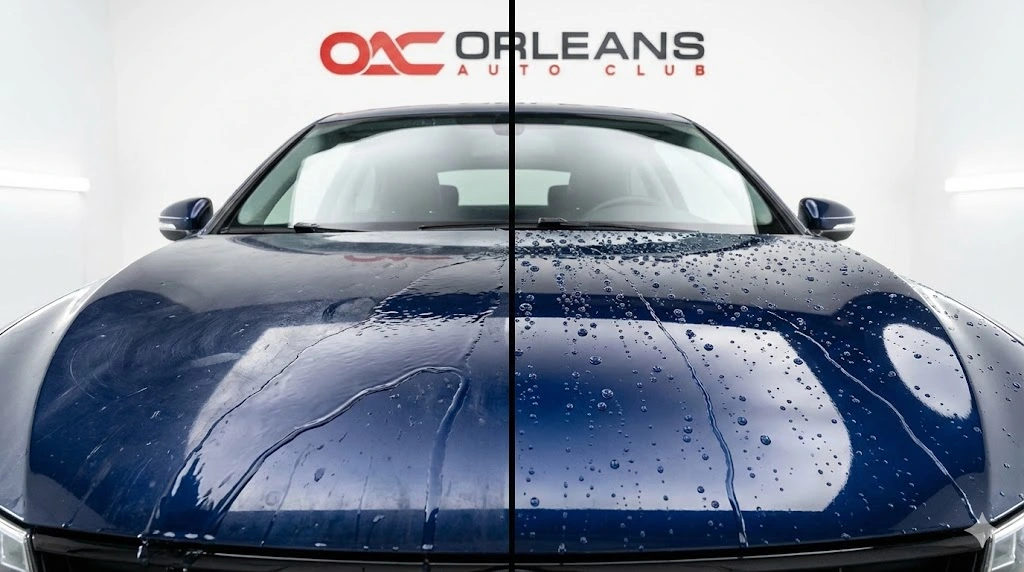
- Ceramic coating provides long-lasting protection against UV rays, road salt, chemical etching, and environmental contamination.
If your goal is stronger long-term protection with easier maintenance, ceramic coating is one of the best options available.
What Damages Car Paint Over Time?
Your vehicle’s paint faces more daily stress than most people think. The biggest threats include:
- UV rays and oxidation
- Road salt and winter grime
- Bird droppings and tree sap
- Bug splatter
- Acid rain and airborne pollutants
- Poor washing habits
- Swirl marks from improper cleaning
- Scratches, chips, and neglected etching
In a place like Ottawa, these issues build up quickly. Unprotected paint can lose gloss, suffer clear coat damage, and develop permanent stains or etching much faster than expected.
Best Ways to Protect Your Car Paint
1. Regular Washing and Decontamination
One of the simplest ways to protect your car paint is to wash it regularly. Dirt, salt, brake dust, and environmental fallout should not be left sitting on the surface for long.
A proper wash routine helps:
- remove harmful contaminants before they bond to the paint
- reduce the risk of staining and etching
- preserve gloss and clarity
- make it easier to maintain protective products
Decontamination methods such as clay bar treatment and iron removal can also help remove what normal washing leaves behind.
2. Wax and Paint Sealants
Wax is still useful if you want shine and short-term surface protection. Paint sealants usually last longer than wax and offer slightly better resistance to the elements.
However, both have limitations:
- Wax typically lasts only a few weeks.
- Sealants usually last a few months.
- Both require frequent reapplication.
- Neither provides the same durability as ceramic coating.
They can be good entry-level options, but they are not the strongest long-term solution for harsh climates.
3. Paint Protection Film (PPF)
Paint protection film is a physical barrier applied to painted surfaces, especially high-impact areas. It is commonly used on:
- front bumpers
- hoods
- fenders
- mirrors
- rocker panels
PPF is ideal when chip resistance and physical protection are the top priority. It is especially useful for drivers who do a lot of highway driving.
4. Ceramic Coating
Ceramic coating is one of the best long-term paint protection solutions because it chemically bonds to the paint and creates a durable protective layer.
It helps:
- repel water and dirt
- Resist chemical contamination
- reduce UV damage
- make washing easier
- preserve gloss for years rather than weeks
For drivers who want long-lasting protection with lower maintenance, ceramic coating stands out.
5. Smarter Parking and Seasonal Habits
Protecting your paint is not only about products. Small habits also make a difference.
Helpful habits include:
- parking away from trees when possible
- avoiding areas with heavy bird activity
- removing road salt quickly in winter
- cleaning bug splatter early in warm months
- avoiding automatic wash systems that create swirl marks
The best paint protection strategy usually combines good habits with the right protective product.
What Makes Ceramic Coating Different?
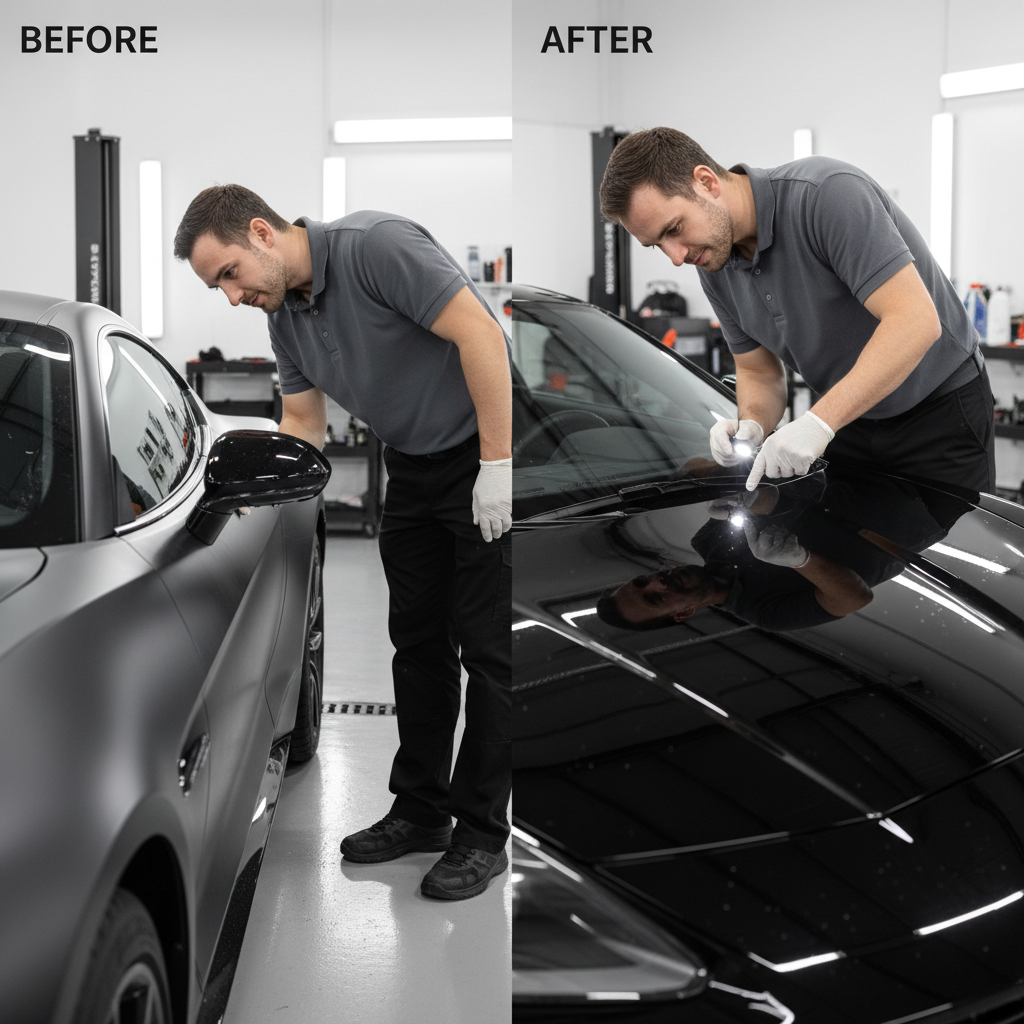
When people ask what makes ceramic coating different, the simplest answer is this: it is not just a temporary layer sitting on top of the paint.
Ceramic coating in Orleans contains silicon dioxide (SiO2), which chemically bonds to the factory paint and becomes part of the vehicle’s protective system. Unlike wax, which fades quickly, ceramic coating forms a more durable and resistant barrier.
That difference is what gives ceramic coating its main advantages:
- longer-lasting protection
- better resistance to salt and chemicals
- improved hydrophobic performance
- easier maintenance
- enhanced gloss and depth
It is not magic, and it is not permanent, but it is a major step up from traditional paint protection methods.
Why Ottawa Vehicles Need Stronger Paint Protection
Ottawa’s climate is especially hard on automotive paint. Seasonal swings, winter road maintenance, and environmental contamination all contribute to faster paint deterioration.
Winter Road Salt
Salt is one of the biggest threats to unprotected paint. It can stain, etch, and accelerate corrosion if left on the vehicle too long. Ceramic coating helps create a barrier that makes it harder for salt and grime to bond directly to the surface.
Summer UV Damage
Long sun exposure fades paint and weakens the clear coat over time. Ceramic coating adds UV resistance that helps reduce oxidation and preserve the appearance of your finish.
Environmental Contamination
Bird droppings, tree sap, bug splatter, and industrial fallout can damage paint quickly if not removed. Protected surfaces are easier to clean and less likely to suffer deep staining.
Temperature Extremes
Ottawa vehicles deal with extreme cold in winter and high heat in summer. That constant expansion and contraction adds stress to exterior surfaces. Long-lasting paint protection helps reduce the impact of those seasonal conditions.
Read the Related Blog: The Complete Guide to Car Detailing and Protection: How to Keep Your Vehicle Looking New
Real Benefits of Ceramic Coating
After years of working with ceramic-coated vehicles, the biggest benefits drivers actually notice are practical ones.
Easier Cleaning
Dirt, water, and grime do not stick as easily to coated paint. This makes washing faster and less frustrating.
Better Water Repellency
Water beads and sheets off the surface more effectively, carrying contamination away with it.
Chemical Resistance
Ceramic coating provides strong resistance against road salt, harsh weather, and environmental fallout.
Improved Gloss and Depth
The finish often looks deeper, clearer, and more reflective after coating.
Longer-Term Value
Compared with frequent waxing or recurring paint correction, ceramic coating can save time, reduce maintenance effort, and help preserve resale value.
Ceramic Coating vs Wax, Sealants, and PPF
If you are comparing paint protection options, the most important difference is how they protect and how long they last.
Wax
- best for short-term shine
- low durability
- minimal chemical resistance
- frequent reapplication needed
Paint Sealants
- longer lasting than wax
- moderate protection
- still temporary
- needs routine maintenance
Paint Protection Film
- best for physical impact protection
- helps against chips and road debris
- ideal for high-impact areas
- different purpose than ceramic coating
Ceramic Coating
- chemically bonds to paint
- lasts much longer than wax or sealants
- resists chemicals, UV, and contamination
- improves washability and gloss
- strong option for long-term maintenance protection
For many drivers, ceramic coating offers the best balance of durability, appearance, and ongoing ease of care.
Professional Application: Why It Matters
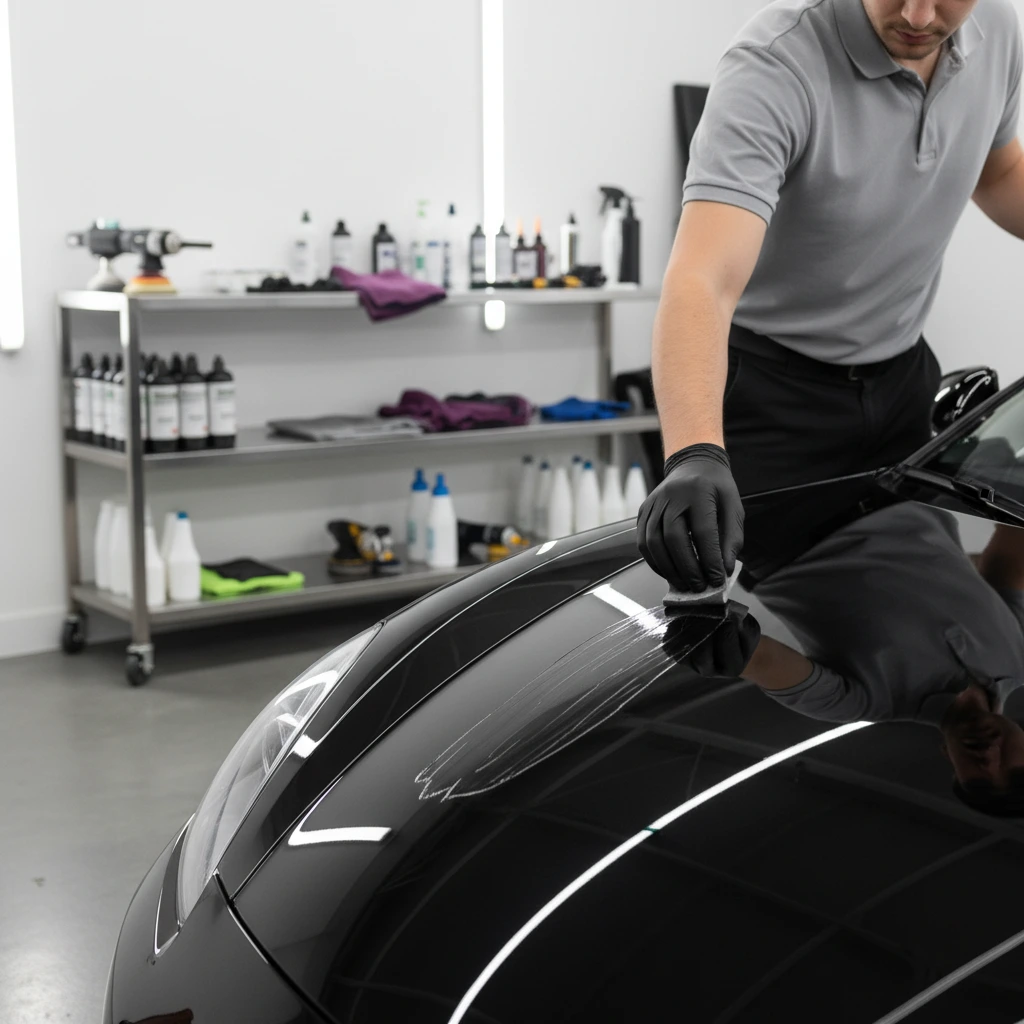
Ceramic coating performs best when the paint is prepared properly before application. This is one reason professional installation matters.
Surface Preparation Is Critical
Paint must be washed, decontaminated, and often corrected before coating is applied. If swirl marks, oxidation, or contamination are left behind, ceramic coating can lock them in and even make them more noticeable.
Controlled Conditions Matter
Application should happen in a clean environment with controlled temperature and humidity. Dust and moisture can interfere with curing and final performance.
Even Coverage Matters
A professional application ensures the coating is spread correctly and cured properly across all painted surfaces.
The product matters, but preparation and application quality matter just as much.
Read the Related Blog: Winter Car Care Tips: Protecting Your Vehicle from the Cold
Ceramic Coating vs. Traditional Methods
Understanding the differences helps you make informed decisions:
Wax: Provides beautiful shine but lasts only 4-8 weeks. Offers minimal chemical protection and no real scratch resistance. For Ottawa’s harsh climate, wax can’t provide adequate protection.
Paint Sealants: Last 3-6 months and offer better chemical resistance than wax. However, they still sit on paint rather than bonding to it, degrading quickly under environmental assault.
Ceramic Coating: Bonds chemically to paint, lasting years instead of months. Superior hydrophobic properties, chemical resistance, and scratch resistance. While initial cost is higher, long-term value significantly exceeds traditional methods.

How to Maintain Ceramic-Coated Paint
Ceramic coating makes maintenance easier, but it does not eliminate it.
To keep coated paint performing well:
- Wash the vehicle every 1 to 2 weeks when possible.
- Use pH-neutral car shampoo.
- Use microfiber wash tools.
- avoid harsh chemicals
- Avoid automatic brushes that can create swirl marks.
- Inspect the coating periodically.
- Use approved maintenance toppers if recommended.
Well-maintained ceramic coating stays effective longer and keeps the vehicle looking better.
Common Myths About Ceramic Coating
Ceramic coating is scratch-proof.
No. It is scratch-resistant, not scratch-proof. It helps reduce light surface marring, but it will not stop deep scratches or impact damage.
You never need to wash the car again.
No. Coated vehicles still need washing. They just stay cleaner longer and are easier to clean.
All ceramic coatings are the same.
No. Product quality, preparation, application, and maintenance all affect performance and longevity.
DIY ceramic coating works the same as professional coating.
Not usually. Professional coatings and professional prep work usually produce better durability, appearance, and long-term results.
Cost vs Long-Term Value
Ceramic coating costs more upfront than wax or sealants, but the long-term value is often better.
Without strong protection, drivers may end up paying repeatedly for:
- professional detailing
- Reapplication of short-term products
- paint correction
- stain removal
- loss of resale value due to poor paint condition
Ceramic coating can reduce maintenance time, extend paint quality, and help avoid more expensive corrective work later.
Is Ceramic Coating Right for Your Vehicle?
Ceramic coating can be a smart choice for almost any vehicle, but it makes the most sense if you:
- Keep your vehicle for several years.
- drive in harsh weather
- care about paint appearance
- want easier cleaning
- want better protection than wax can offer
For Ottawa-area drivers dealing with seasonal extremes, it is one of the most practical long-term solutions for paint protection.
Final Thoughts
If you want to know how to protect your car paint properly, the answer is not just one product. Good paint protection starts with the basics: regular washing, fast contamination removal, and smart maintenance habits. But for stronger long-term protection, ceramic coating stands out as one of the most effective solutions available.
It offers longer durability than wax or sealants, better resistance to UV rays, road salt, and contamination, and a finish that is easier to maintain over time.
For Ottawa drivers, that added protection can make a real difference.
Contact Orleans Auto Club today to discuss ceramic coating options for your vehicle. We’ll assess your paint, recommend the ideal protection level, and ensure your car receives the care it needs to stay beautiful for years to come.